Beyond the Thermometer The Health and Infrastructure Collapse of June 2026
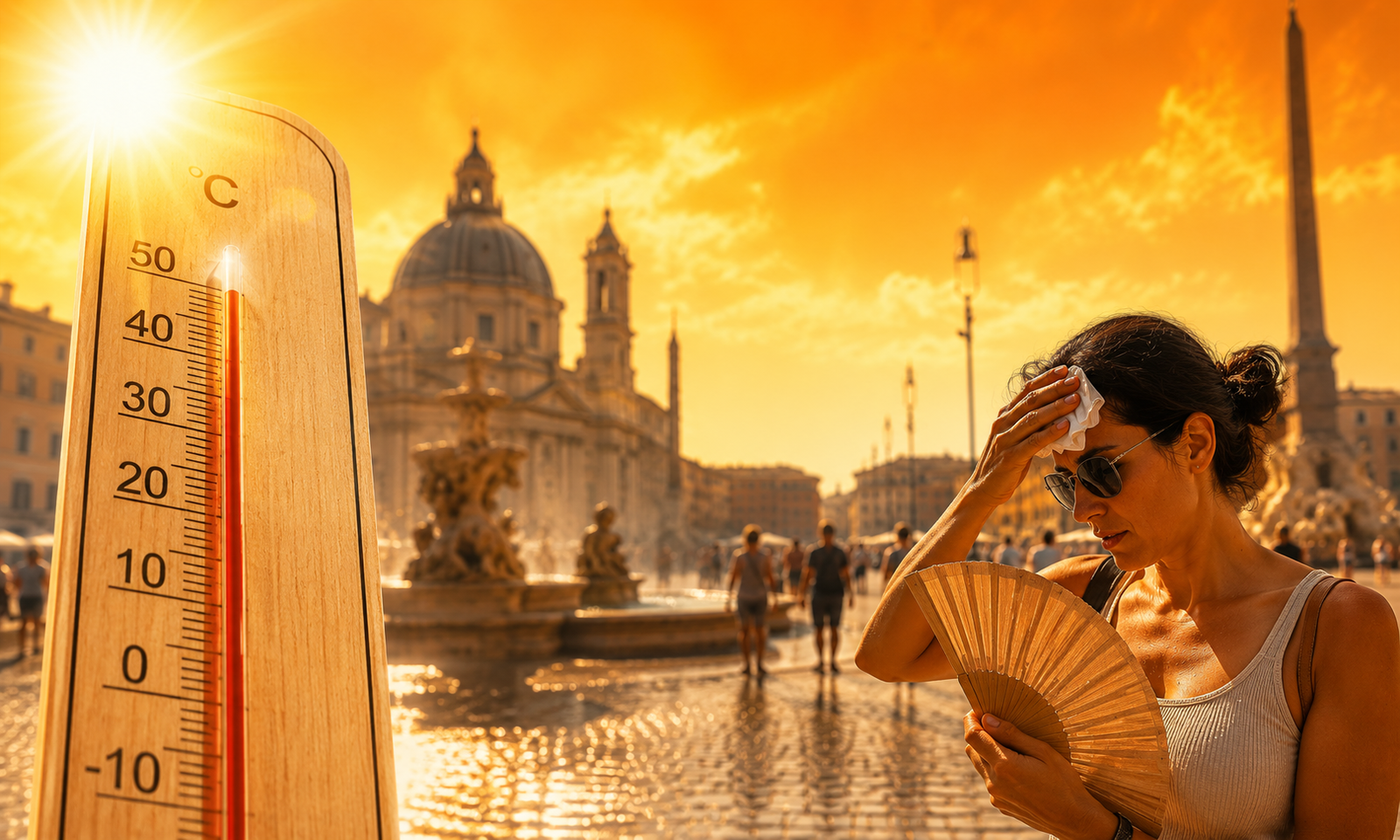
A massive dome of high pressure locked over the European continent in late June 2026. This weather system trapped stagnant hot air from the Sahara Desert across southern and central Europe. Temperatures in Seville reached 46 degrees Celsius on June 28. Athens recorded 44 degrees the following day. Paris hit 42 degrees just before the month ended. The heat is not breaking. Emergency services across France, Italy, Spain, and Greece are operating at maximum capacity. Health ministries are issuing red alerts daily. The infrastructure of the old world is buckling under temperatures it was never designed to withstand.
The Biological Toll of Extreme Heat
Heat kills more people quietly than any other weather event. When a hurricane hits, the destruction is visible on television. When a heatwave strikes, people simply pass away silently inside their own bedrooms. The human body operates strictly within a very narrow temperature window. To maintain that internal temperature, the body sweats. The sweat evaporates into the air. That evaporation cools the skin and the blood underneath.
This biological cooling system fails completely when temperatures climb above 40 degrees Celsius while humidity remains high. The air becomes too saturated to absorb more moisture. Your sweat stops evaporating. Your internal temperature begins to rise.
The heart pumps blood faster to push heat toward the surface of the skin. This places immense strain on the cardiovascular system. For elderly citizens or people with preexisting heart conditions, this extra workload triggers heart attacks. If the core body temperature crosses 40 degrees, the brain begins to swell. Proteins inside the cells start to unravel. This is heatstroke. It is a severe medical emergency requiring immediate ice immersion.
European hospitals are currently overwhelmed by this exact biological failure. Paramedics in Madrid report waiting times of four hours just to transfer a patient into an emergency room. Hospitals in Rome are canceling elective surgeries. They need the bed space for residents suffering from severe dehydration and kidney failure. The medical infrastructure is treating a weather event like a mass casualty incident.
The Failure of Historic Infrastructure
European cities are beautiful because they are old. That age is now a massive liability. The continent built its infrastructure to keep people warm during freezing winters. The buildings feature thick stone walls and small windows designed to trap heat.
When a week of 40 degree days hits a city like Paris, those stone buildings absorb the solar radiation. They act like giant thermal batteries. Even after the sun goes down, the stone radiates that trapped heat back into the apartments. The nighttime temperatures never drop low enough to provide relief. Residents cannot sleep. Sleep deprivation compounds the physical stress of the heat.
The transportation grid is also collapsing. Railway tracks are made of steel. Steel expands when exposed to direct intense sunlight. If the tracks expand too much, they warp and buckle out of shape. Running a train over warped tracks guarantees a derailment. To prevent catastrophic accidents, railway operators in Germany and the United Kingdom have instituted massive speed restrictions. Trains that normally travel at 200 kilometers per hour are crawling at 60 kilometers per hour. Commutes take three times as long. Passengers find themselves trapped inside metal carriages with failing cooling systems.
The electrical grid is facing a similar breaking point. Historically, Europeans did not rely on mechanical cooling. Only a small fraction of homes in France and Germany feature central air conditioning. Now, millions of terrified residents are rushing to hardware stores to buy portable cooling units. They plug them all in at exactly the same time during the hottest part of the afternoon.
Power plants cannot generate enough electricity to meet this sudden vertical spike in demand. The transmission cables carrying the electricity physically droop under the heavy load and the ambient heat. When a sagging power line touches a tree, it shorts out the system. Neighborhoods lose power entirely. Losing power during a deadly heatwave transforms a miserable afternoon into a lethal trap.
The Collapse of Traditional Summer Tourism
The Mediterranean economy relies heavily on summer tourism. Millions of travelers flock to Italy and Greece every July to look at ruins and sit on beaches. The June 2026 heatwave is destroying that business model permanently.
Tourists are physically unable to enjoy the attractions. You cannot walk around the Roman Colosseum at two in the afternoon when the ambient air temperature is 43 degrees. Several tourists collapsed at the Acropolis in Athens during the third week of June. Local authorities were forced to close the historical site entirely during daylight hours.
Airlines are struggling to maintain schedules. Air becomes thinner as it gets hotter. Thin air generates less lift for airplane wings. Fully loaded passenger jets literally cannot take off from short runways in southern Spain when the temperature peaks. Flights are delayed until the evening. The tarmac itself melts and sticks to the tires of the landing gear.
Travelers are taking notice and canceling their trips. Data from major booking platforms shows a massive drop in reservations for July and August. People are losing thousands of dollars in nonrefundable deposits just to avoid the danger.
The travel industry is being forced into a radical shift. The concept of the summer holiday is moving. Travelers are now booking trips to Scandinavia and Scotland to find comfortable weather. The Mediterranean countries will have to market their destinations exclusively during the spring and autumn months. The traditional peak summer season in southern Europe is effectively dead.
Agricultural Devastation and Food Security
The heat is burning the European food supply down to the roots. Farming relies on predictable weather patterns and consistent water access. Both of those elements vanished this June.
Spain produces a massive portion of the global olive oil supply. Olive trees are incredibly resilient and designed for hot climates. However, they have a biological limit. When the heat becomes too intense, the trees drop their fruit prematurely to conserve water and save the main trunk. Millions of unripe olives are currently rotting on the ground across Andalusia.
The wine industry in France is facing a similar crisis. Grapes need a very specific balance of sun and cool nights to develop the correct sugar levels. The relentless heat is cooking the grapes directly on the vines. They are shriveling into raisins before the harvest season even begins. Winemakers in Bordeaux are reporting crop losses exceeding half their total volume.
The damage extends far beyond luxury goods like wine and olive oil. Basic staple crops are failing. Wheat fields in central Italy turned brown a month ahead of schedule. The grain heads are empty. Corn stalks in eastern Europe are stunted and dying.
This massive agricultural failure will trigger an economic shockwave later this year. When crop yields drop, the supply of food shrinks. When supply shrinks, prices explode at the grocery store. European citizens are already dealing with high inflation. They will face brutal increases in the cost of basic bread and vegetables by the winter. European governments will be forced to import food from other continents at premium prices just to keep supermarket shelves stocked.
The Urban Heat Island Trap
City planning dictates how hot a neighborhood gets. Modern cities are covered in concrete and asphalt. These materials absorb massive amounts of solar energy throughout the day.
When you walk down a city street in Madrid, the heat hits you twice. The sun beats down from the sky. The asphalt radiates the absorbed heat back up through the soles of your shoes. This phenomenon creates an urban heat island. The temperature inside a city center is often five to seven degrees hotter than the surrounding rural countryside.
Wealth plays a massive role in who survives the urban heat island. Affluent neighborhoods usually feature tree lined streets and large public parks. Trees provide shade and release moisture into the air through their leaves. This natural process lowers the ambient temperature significantly.
Working class neighborhoods frequently lack any green space. They are unbroken oceans of gray concrete. The residents living in these concrete zones are experiencing the most extreme temperatures. They are also the people least likely to afford expensive cooling systems or the electricity required to run them. The heatwave is brutally exposing the economic inequality built into the physical design of European cities.
Mandatory Adaptation Strategies
We can no longer treat these heatwaves as rare anomalies. The climate of Europe fundamentally changed. The weather of 2026 will be considered a completely normal summer by the year 2035. Hoping for cooler weather is not a survival strategy.
Governments must force massive infrastructural changes immediately. Cities have to paint their black asphalt roofs white. A white roof reflects the sun away from the building and drastically lowers the interior temperature. It is a cheap and highly effective modification.
Municipalities must rip up unnecessary concrete and plant native, drought resistant trees on every available street corner. They must construct dedicated cooling centers in every single neighborhood. These centers must be heavily publicized and kept open 24 hours a day during peak heat events.
The workplace culture must also change. Construction workers and agricultural laborers cannot perform physical tasks outside during the afternoon. European nations need to adopt the working schedules used in the Middle East. Outdoor labor must begin before dawn and stop entirely by ten in the morning.
The old world is gone. The stone cities built centuries ago are obsolete in their current configuration. Europe must adapt its buildings and its daily routines to survive a boiling planet. Any delay in that adaptation will be measured directly in lost lives and collapsed economies.