
The Return of the Underdog
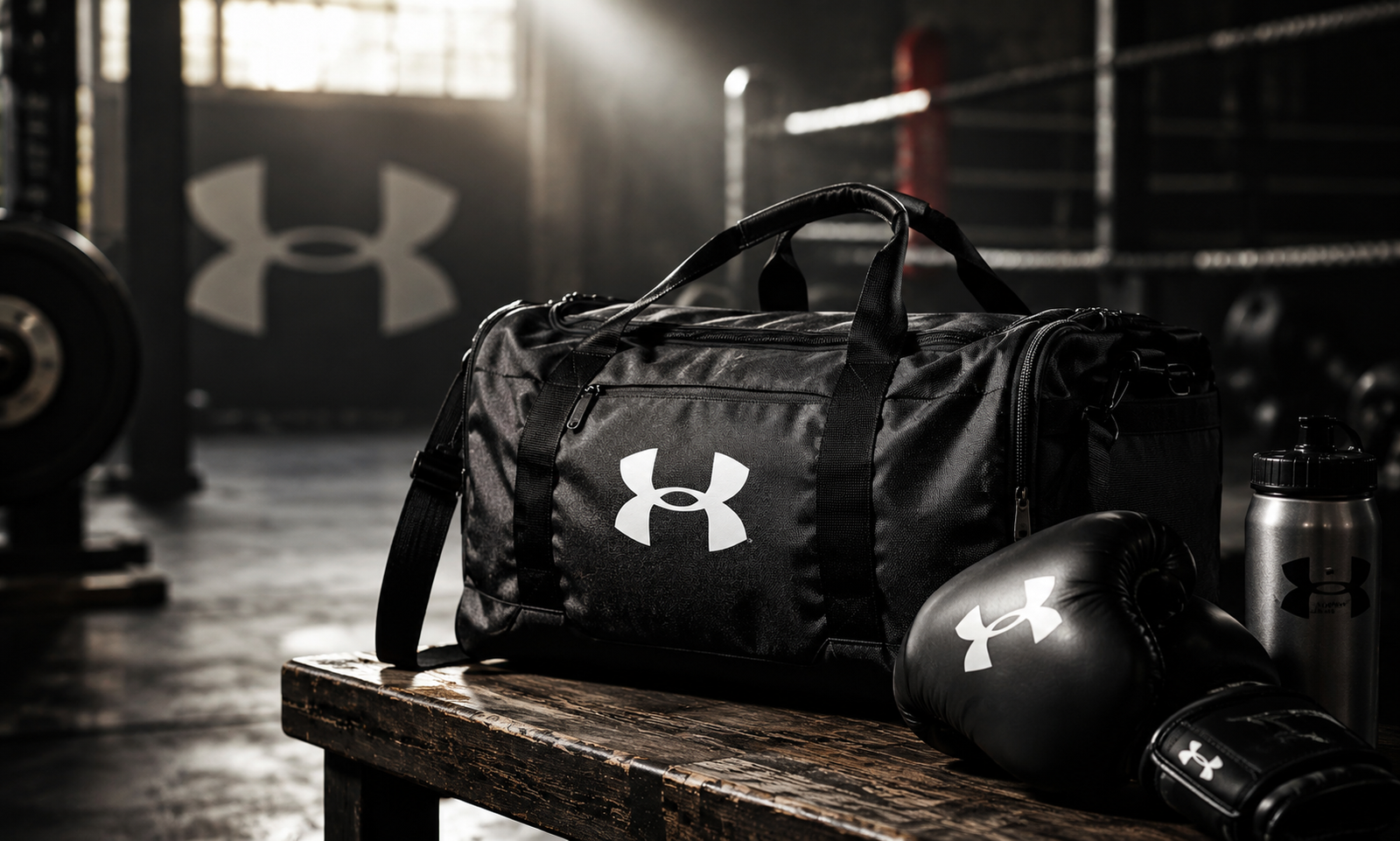
Under Armour is angry again. The sports apparel company built its entire early reputation on raw aggression. They were the loud and gritty alternative to the massive corporate machine in Oregon. Then they got big. They got quiet. They tried to make stylish shoes for everyone. They lost their core audience. Now they are bringing the fight back. Their latest advertising strategy leans entirely into the concept of a bitter rivalry. This is not just a clever marketing trick. It is a necessary corporate survival tactic.
Look at the most successful companies in the world. They almost always have a clear enemy. Apple fought Microsoft. Coke battles Pepsi. Having an enemy makes your brand story incredibly easy to understand. Consumers do not just buy physical products. They buy a side in a war. When you position your brand against a rival, you force the buyer to make a choice. You are no longer just selling a shirt. You are selling a distinct philosophy. Under Armour desperately needs a philosophy right now.
Losing the Edge
The company forgot this basic rule for an entire decade. They signed massive television deals. They built shiny glass offices. They tried to compete directly with Nike on high fashion. That was a massive miscalculation. Nike completely owns the fashion category. Adidas dominates global street culture. Under Armour won originally because they owned the weight room. They owned the dirt and the sweat. When they tried to become a premium lifestyle brand, they alienated the young athletes who made them famous in the first place.
The financial results were brutal. The stock price dropped significantly. Key executives left the company. The brand lost its unique voice in the crowded market. Retail partners noticed the shift and reduced their premium shelf space. The apparel ended up in discount stores. That exact transition destroys brand value. Getting back into the front window of premium retail requires massive heat. A controversial rivalry advertisement creates exactly that kind of heat. It gives store buyers a reason to pay attention again.
The Psychology of Sports Marketing
The new focus on rivalry changes the entire public conversation. It takes the brand back to its roots. An advertisement focused on a heated rivalry does two specific things. First, it generates immediate undivided attention. People naturally gravitate toward drama. They stop scrolling their phones when they see a legitimate conflict. Second, it reestablishes Under Armour as the hungry challenger. You cannot be a comfortable wealthy incumbent and run an ad about a bitter rivalry. The message inherently belongs to the outsider.
Sports rely entirely on the concept of us versus them. Without a heated rival, a game is just a group of people running around a piece of grass. The rivalry gives the physical movement meaning. Marketing works the exact same way. When Under Armour taps into the hatred between two rival teams or athletes, they completely bypass logical consumer thinking. The fan watching the screen feels an immediate emotional spike. Their heart rate goes up. They associate that intense physical reaction with the clothing brand on the screen.
The Requirement for Authenticity
Consumers smell fake anger instantly. If a corporate brand tries to manufacture a rivalry out of thin air, the audience will mock them relentlessly. The rivalry has to be rooted in absolute truth. Under Armour has to pick fights that make sense for their specific athletes. It cannot look like a board room full of executives decided to be edgy for the quarter. It has to look like the athlete genuinely wants to destroy their opponent on the field.
This requires incredible restraint from the internal marketing department. They have to get out of the way and let the raw emotion play out on camera. The cameras and the lighting all have to match the gritty message. Polished high definition visuals ruin the entire illusion of a raw fight. The commercials need to look slightly dirty. The sound design needs to feature heavy breathing and the violent physical impact of the sport. The viewer needs to feel physically exhausted just watching the clip.
The Nike Problem
You cannot discuss Under Armour without discussing their primary competitor. Nike dictates the rules of global sports apparel. They spend billions of dollars to maintain a clean inspiring image. They tell you everyone is an athlete. Under Armour cannot beat that massive message by simply copying it. They have to offer the exact opposite. If Nike represents pure inspiration, Under Armour must represent pure grit. If Nike is a soaring victory, Under Armour must be the bitter fight in the mud. The rivalry strategy perfectly highlights this stark contrast.
Taking a hard stance carries real financial danger. When you lean into an aggressive rivalry, you will definitely upset some people. Parents might find the advertisements too intense for younger children. Some academic institutions might push back on the aggressive tone. Under Armour has to accept this loss immediately. Trying to please the people who complain is exactly how the brand lost its edge in the first place. They must sacrifice a small portion of the market to secure absolute fierce loyalty from the rest.
Managing the Star Athlete
A rivalry campaign lives or dies based entirely on the athletes involved. Stephen Curry brings a very specific quiet confidence to the brand. He is not a screaming gladiator. If they use him in a rivalry advertisement, the tone must be cold and calculated. Other athletes require a completely different approach. A professional football player needs to look wildly destructive. The company must tailor the core concept of rivalry to the specific personality of the endorser. Forcing an athlete to act out of character instantly ruins the commercial.
The execution of these campaigns takes months of careful planning. You cannot just point a camera at an athlete and tell them to look angry. The narrative must build slowly. The brand needs to seed the rivalry through social media posts long before the television commercial airs. The audience needs to feel the tension rising naturally. By the time the actual advertisement drops, the consumer should already feel invested in the outcome of the conflict.
The Danger of Playing It Safe
Many corporate boards fear negative emotion. They want every advertisement to show smiling people achieving their dreams. That safe approach is currently killing the middle tier of the retail market. The sports apparel industry is overwhelmingly crowded right now. New specialized companies enter the space every single month. Small niche brands steal market share by focusing entirely on dedicated runners or weightlifters. The giant corporations fight over the broad middle ground. Under Armour is currently stuck in between these two forces.
The rivalry strategy is their best chance to break out of the middle. It gives them a sharp edge in a very blurry market. It gives consumers a specific reason to choose their product over a generic alternative. The clothing becomes a uniform for a specific mindset. When a teenager buys that shirt, they are telling the world that they relate to the struggle and the fight. That emotional connection is worth far more than the fabric itself.
Rebuilding the Foundation
A single commercial is quickly forgotten. To actually change public perception, Under Armour must sustain this aggressive tone for years. Every product launch and every store display must reflect the rivalry mentality. Consistency builds the brand over time. The moment they release a soft inspiring commercial, they break the illusion they worked so hard to build. The commitment to the fight must be total.
This shift in marketing will dictate how they design their products moving forward. You cannot sell a rivalry campaign while producing pastel lifestyle clothing. The gear has to look like armor. The colors need to be bold. The materials need to emphasize durability over pure aesthetics. The marketing and the product design must operate in complete alignment. If the commercial promises a war, the product must look ready for battle.
The Financial Reality
Wall Street analysts are watching this transition very closely. The company spent years burning through cash while trying to figure out its core identity. Investors are tired of waiting for a turnaround. This aggressive marketing push is a massive gamble. If it fails to resonate with young athletes, the company will face severe financial consequences. They do not have the massive cash reserves of their competitors to survive another failed rebranding effort.
The early indicators suggest the strategy is working. Social media engagement metrics spike whenever the brand leans into conflict. Young consumers respond to authenticity. They prefer a flawed aggressive brand over a polished corporate entity. Under Armour is finally speaking their language again.
The path forward is difficult. Rebuilding a damaged brand is always harder than starting a new one. Consumers have long memories. Under Armour has to prove that this new aggressive stance is permanent. They have to show up every single day with the same intensity. The rivalry advertisement is just the opening punch in a very long fight. If they maintain this exact energy, they might actually win their position back.