CES 2026 Live: The Week Las Vegas Becomes the Center of the Universe
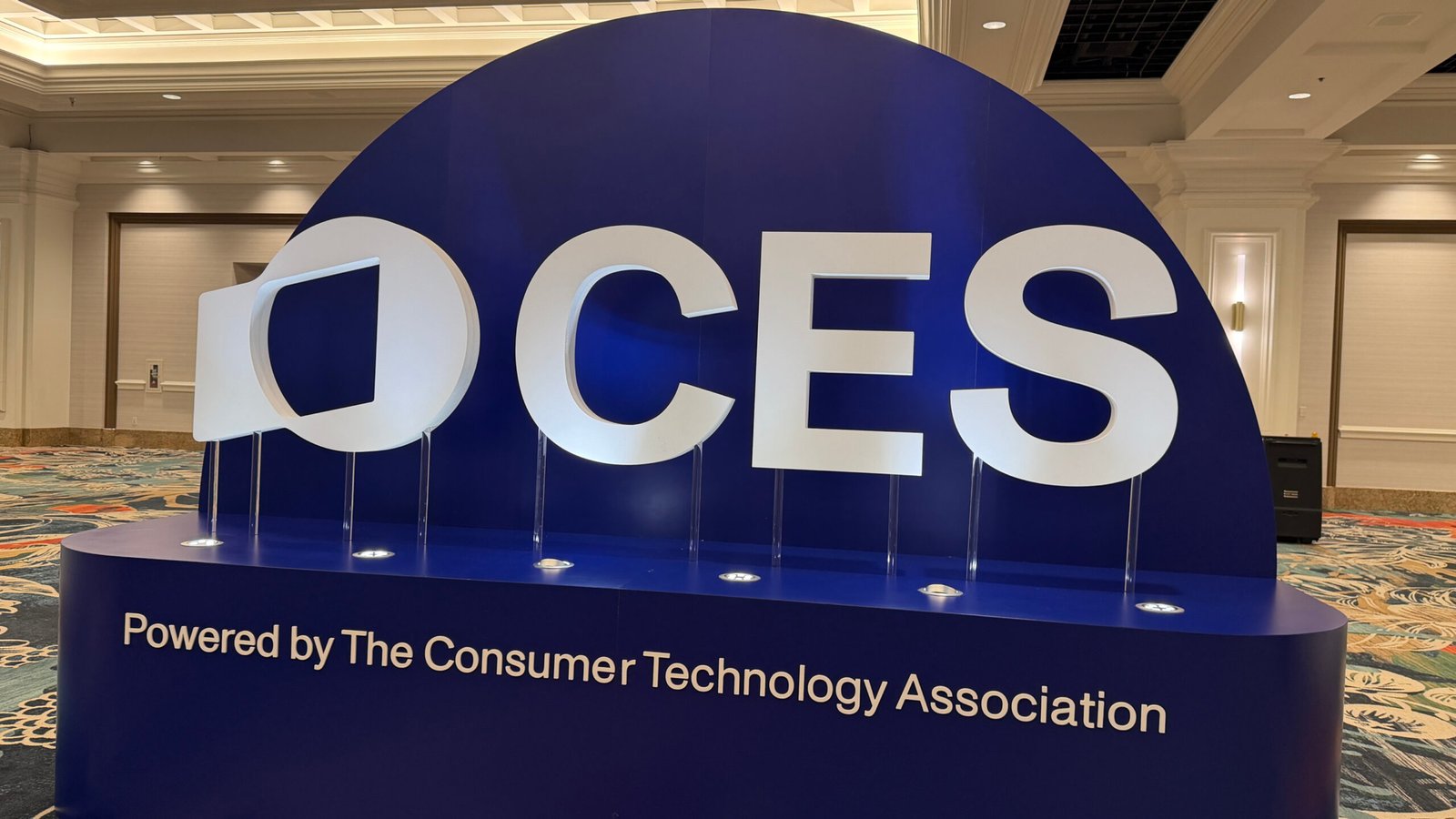
Las Vegas is currently besieged. It is the second week of January 2026, and the city has been overtaken by 140,000 badge-wearing attendees, thousands of private security contractors, and a fleet of robots that finally seem to know where they are going. CES 2026 isn’t just a trade show; it is a sprawling, chaotic assertion of dominance by the technology sector. If you are not here, you are effectively invisible.
The Consumer Electronics Show has always been a barometer for the global economy, but this year feels different. The experimental “AI everything” phase of 2024 and 2025 has hardened into something tangible. We aren’t seeing chatbots anymore. We are seeing machines with bodies, cars that understand their passengers, and televisions that cost more than a starter home.
Walking the floor of the Las Vegas Convention Center (LVCC) this morning, the energy is frantic. The distinct smell of ozone and burnt coffee hangs in the air. This is the breakdown of what is actually happening on the ground, why it matters, and why businesses are spending millions to stake a claim on this carpet.
The Venue Wars: Fragmentation is the New Normal
The first thing you notice about CES 2026 is that it no longer fits in a box. For decades, the Central Hall of the LVCC was the undisputed throne room. If you were big, you were there. That ruleset has fractured.
Samsung, the perennial anchor of the show, has made a power move that has everyone talking. They have largely abandoned the traditional show floor model to requisition a massive chunk of the Wynn Las Vegas. They call it a “standalone exhibition hall,” but it feels more like a fortress. By moving their primary “First Look” and AI ecosystem demos to the Wynn, Samsung has forced attendees to physically travel to them, proving that they are an event unto themselves.
This fragmentation has changed the flow of the city. The “CES Loop” is no longer just a tunnel under the convention center; it’s a city-wide logistical puzzle. The addition of the Fontainebleau as a major venue—hosting the new “CES Foundry” for quantum and AI innovation—has stretched the map north. You can’t just walk the floor anymore. You have to strategize your movement like a military campaign.
The AI Reality Check: “Physical AI”
If 2025 was the year of “Agentic AI” (software that does things for you), 2026 is the year AI gets a body. Jensen Huang, the CEO of Nvidia, captured the mood perfectly in his keynote when he coined the term “Physical AI.”
For years, we’ve trained AI in digital voids. Now, companies are deploying those brains into hardware. The North Hall is packed with robots, but they aren’t the clumsy novelty acts of the past. LG’s introduction of CLOiD, a humanoid automation robot, represents a shift. It doesn’t just roll around; it manipulates objects. It understands verticality.
The buzzword here is “World Models.” This is the tech that allows a robot to look at a messy living room and understand that the pile of laundry is soft and movable, but the coffee table is rigid and heavy. You see this everywhere. Robots from startups in the Eureka Park are navigating crowded aisles without bumping into ankles. The clumsy “Roomba-bump” era is over. These machines finally have spatial awareness.
The Screen Wars: Micro LED Supremacy
You cannot talk about CES without talking about the wall-sized screens that light up the Central Hall. This year, the battle lines have shifted from OLED to Micro LED.
Micro LED has been “coming soon” for five years. In 2026, it is actually here, and it is stunning. Samsung’s 115-inch Micro LED display is the crowd favorite. It uses microscopic LEDs to create a picture that is brighter than OLED without the risk of burn-in. It looks like looking through a window.
LG is countering with “Micro RGB evo,” a similar technology that they are pushing into slightly more consumer-friendly sizes (75 and 86 inches). The result is a visual arms race where the screens are becoming modular. You don’t just buy a TV; you buy a wall.
But the most interesting development isn’t the size; it’s the transparency. Transparent Micro LED displays are appearing in commercial applications—storefront windows that turn into high-def ad displays, or office partitions that can display presentations and then vanish back into clear glass.
Mobility: The Car Becomes a Lounge
The West Hall is effectively a massive auto show. The line between “tech company” and “car company” has dissolved completely.
Uber has stolen the spotlight with its robotaxi reveal. Partnering with Lucid Motors and Nuro, they have stripped the driver’s seat entirely. The vehicle is a pod. Inside, it’s a lounge with a “halo” roof that uses LEDs to signal your ride status.
What’s notable is the resignation in the design. The car assumes you are not driving. It assumes you are working, sleeping, or watching content. Sony and Honda’s joint venture is showing similar concepts—vehicles where the dashboard is a cinema screen.
Hyundai has taken a different route, focusing on “software-defined vehicles.” The car is just a shell for the software. You subscribe to heated seats; you download a horsepower upgrade for the weekend. It’s the “app-ification” of the automobile, and while consumers grumble about subscriptions, the industry is marching forward with it.
The Business Case: Why Exhibit?
With the fragmentation of venues and the cost of travel, you might ask: Why do companies still do this? Why spend $50 per square foot for raw space, plus tens of thousands on union labor, drayage, and travel?
The answer is density.
“I can do six months of business development in three days,” a CEO of a mid-sized sensor company told me near the Tech East food court.
CES remains the only place where the entire supply chain is physically present. You can meet your chip supplier, your screen manufacturer, your logistics partner, and your retail buyer in the same afternoon.
For 2026, the Consumer Technology Association (CTA) has leaned into this by creating more “Power Meeting” zones. The “Global Pavilions” are overflowing. The French Tech pavilion is massive this year, showcasing green energy startups like Dracula Technologies, who are printing solar panels onto stickers.
If you are a B2B tech company, missing CES 2026 is a signal that you aren’t part of the conversation. The “First Look” events, the “Unveiled” press nights—these generate a media tail that lasts for six months. A startup launching a product on a random Tuesday in March gets a blog post. A startup launching at Eureka Park gets interviewed by CNN, BBC, and TechCrunch in a span of four hours.
Digital Health: The Doctor in Your Watch
A quiet revolution is happening in the Venetian Expo halls. The “Digital Health” sector has matured from step-counters to medical-grade diagnostics.
The standout theme is “Longevity.” This isn’t just about living longer; it’s about “healthspan”—the amount of time you spend healthy. Amorepacific, a beauty tech giant, is showing off “Skinsight,” a chip developed with MIT that analyzes skin aging signals in real-time.
But it goes deeper. We are seeing toilets that analyze waste for nutritional deficiencies. We are seeing rings that detect sleep apnea. The FDA is clearing these devices faster than before, meaning the gadget on your wrist is now a legitimate medical tool. The healthcare industry is terrified and excited at the same time. The hospital is moving into the home.
The Sustainability Mandate
In previous years, “Green Tech” was a lonely aisle in the back. In 2026, it is integrated into everything.
This is driven by regulation as much as conscience. European and Californian standards for repairability and energy efficiency are forcing manufacturers to change. You see laptops that are designed to be taken apart with a standard screwdriver. You see batteries that use sodium instead of lithium.
Dracula Technologies’ “LAYER V2.0” is a prime example. It’s an organic photovoltaic cell that harvests energy from indoor light. They are embedding it into TV remotes and IoT sensors, effectively eliminating the need for disposable batteries. It’s unsexy, boring, and absolutely vital.
Surviving the Week
If you are reading this from your hotel room or planning to fly in for the final days, here is the reality of the ground game for CES 2026.
The Loop is Life: The Vegas Loop (the Tesla tunnels) has expanded, but the lines are long. It is still faster than a cab. Use it to get from the West Hall to the Central Hall.
The Food Situation: The LVCC food is still overpriced and underwhelming. Smart attendees are heading to the food trucks in the Central Plaza or taking the monorail to the Linq for a real meal.
The Shoe Rule: This cannot be overstated. Do not wear dress shoes. You will walk 20,000 steps before lunch. The most powerful CEOs are wearing sneakers. Follow their lead.
The Verdict
CES 2026 proves that the tech industry has recovered from its identity crisis. It has stopped trying to sell us the “Metaverse” and started selling us better reality.
The focus on “Physical AI,” on sustainable energy, and on health shows a maturity that was missing in the post-pandemic years. The gadgets are cool, yes. But for the first time in a long time, they also feel useful.
The separation of Samsung to the Wynn and the rise of the Fontainebleau suggests that CES is becoming a “City State” rather than just a trade show. It is growing larger, more complex, and harder to navigate. But as the sun sets over the strip and the sphere lights up with a giant emoji looking down at the traffic, one thing is clear: The future is being built here, one handshake at a time.