Apple Unveils AI Siri at Final Tim Cook Developer Conference While Wall Street Yawns
On Monday, June 8, 2026, Apple Chief Executive Officer Tim Cook stepped onto the stage in Cupertino for his final Worldwide Developers Conference. The company introduced its new Golden Gate operating system and a major artificial intelligence upgrade for its digital assistant Siri. The updates became available to developers for immediate testing. Public access will follow later this year. Following the presentation, Apple shares fell nearly two percent. The broader stock market rose during the same period.
The Weight of Expectations
Apple entered this conference carrying a massive burden. The company needed to prove its relevance in the current technology cycle. Over the past three years, competitors released software capable of writing original code, drafting legal documents, and generating realistic video. Apple stayed quietly on the sidelines. The company watched valuations for specialized chipmakers and rival software firms multiply rapidly.
Investors pushed Apple stock to record highs in the week leading up to the event. They anticipated a massive leap forward. They expected the company to reveal features that would instantly redefine smartphone utility. The presentation offered a much more measured approach. The updates represent a fundamental rebuilding of Apple software, but they lack the flashy tricks that generate viral internet videos. The market wanted magic. Apple delivered infrastructure.
The Rise and Stagnation of the Original Assistant
To understand the importance of the Golden Gate update, you have to look at the history of Siri. The technology began as a project funded by the Defense Advanced Research Projects Agency. A startup company commercialized the software. Apple purchased that startup in 2010. The company launched Siri alongside the iPhone 4S in 2011. It was a revolutionary concept. You could speak to your phone and ask it to set a timer or check the weather.
Then the innovation stopped. The underlying code of the original Siri was incredibly rigid. Engineers found it difficult to add new features without breaking existing functions. When you asked Siri a complex question, it frequently failed to understand the context. Users encountered useless web search results instead of direct verbal answers. People lost trust in the tool. Siri became a glorified alarm clock.
Meanwhile, competitors built flexible digital assistants powered by vast amounts of cloud computing data. These alternative tools learned to recognize different accents, parse complicated syntax, and maintain conversational context over several minutes. Apple prioritized user privacy. The company refused to send massive amounts of personal voice data to remote servers for processing. This ethical stance crippled Siri. The software simply did not have the computing power on the physical phone to compete with cloud systems.
The Privacy Shield as a Weapon
Apple weaponized user privacy over the last decade. The company built entire marketing campaigns around the idea that your data remains yours. This strategy created immense consumer trust. It also created a severe engineering bottleneck for the internal software teams.
Machine learning requires massive datasets. Google and Amazon trained their voice assistants by analyzing billions of user interactions on external server farms. Apple refused to employ this method. The company forced its engineers to build software that could learn locally. Local processing means the phone does the math using only the data stored on the hard drive.
The breakthrough for Golden Gate arrived through advancements in silicon architecture. Apple stopped relying on external chip manufacturers years ago. The company designs its own internal processors. The newest chips contain specific hardware sectors dedicated entirely to mathematical calculations. These neural engines process natural language instantly without pinging a server in a remote data center.
This hardware advantage gives Apple a unique position. The company offers the speed of a cloud computing system with the security of an encrypted hard drive. Wall Street analysts ignored this technical achievement on Monday. They focused entirely on the lack of a flashy chatbot. The financial markets prioritize immediate visual results over complex infrastructural improvements.
Golden Gate Changes the Foundation
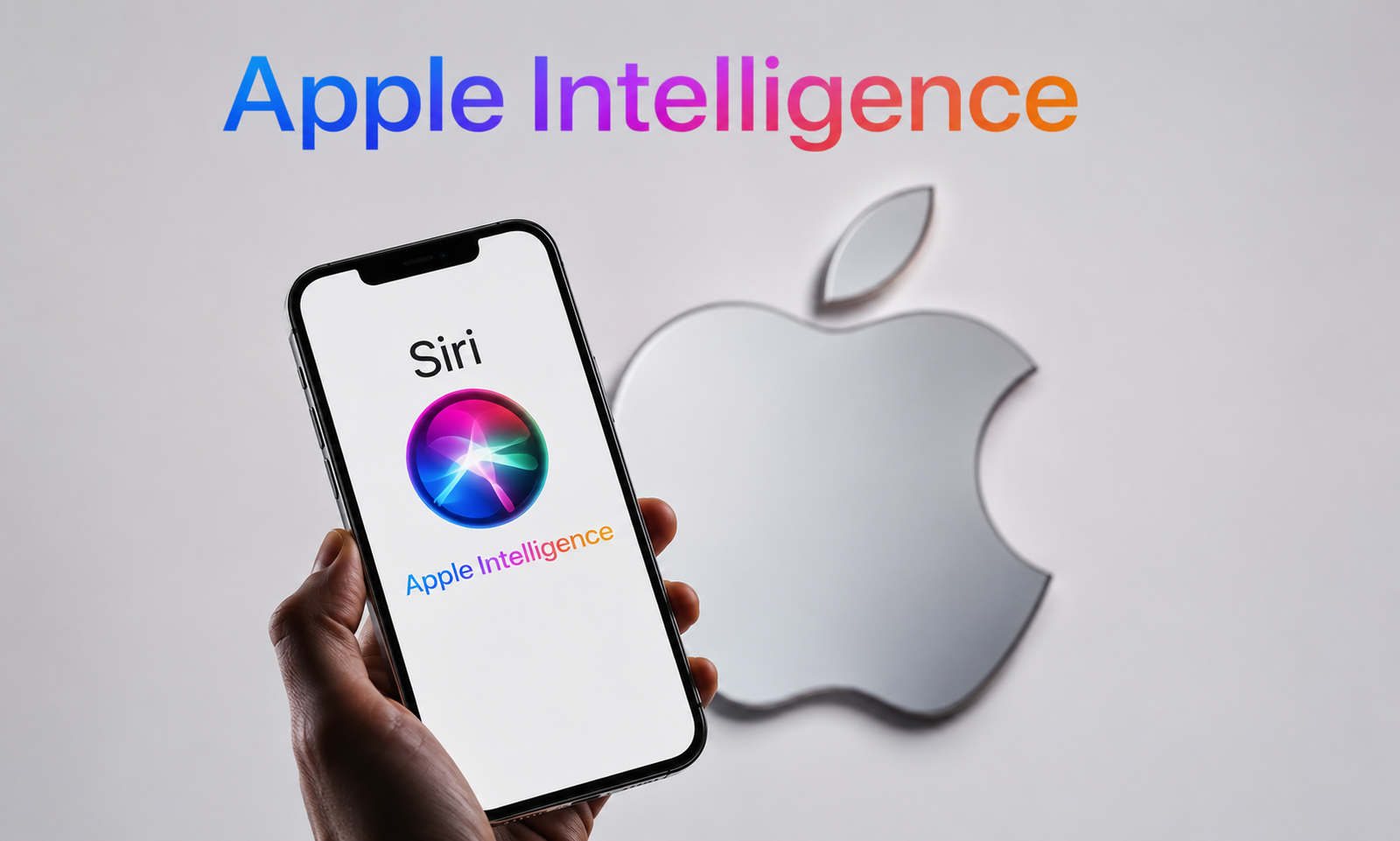
The new Golden Gate operating system fixes the historical voice assistant problem. Apple integrated a new intelligence framework directly into the core software of the device. Siri is no longer a separate application sitting on top of the phone. It is woven into the operating system itself.
The current release is restricted to software developers. Apple requires these programmers to test the code and identify flaws before millions of everyday users install it. A staggered release schedule prevents catastrophic bugs from reaching the public. Developers are currently testing how the new Siri interacts with external applications. This testing phase will dictate the ultimate success of the consumer launch.
Moving Beyond Generative Features
Financial analysts viewed the Monday presentation through very different lenses. John Belton manages portfolios at Gabelli Funds. He told financial networks that Apple completely missed the first wave of this technology cycle. That first wave focused entirely on generative software. You give a computer a prompt and it creates a new picture or a block of text. Apple did not release a standalone chatbot to compete in that specific space.
Apple chose to skip that phase to focus entirely on the next iteration of the technology. The industry calls this next phase agentic software. This type of software takes action on behalf of the user. It does not just write an email template. It reads your calendar, identifies a scheduling conflict, drafts an apology message to the other party, and sends it after securing your permission. Apple designed the new Siri to dominate this exact category.
Siri will now read your screen. When a friend texts you a new address, you tell Siri to add it to their contact card. You do not copy the text. You do not open the contacts application. The software understands what you are looking at and executes the appropriate action automatically. This is a massive shift from generating text to executing tasks.
The Developer Ecosystem
The true value of Golden Gate lies in its connection to independent applications. A digital assistant is useless if it only controls the native calendar and alarm clock. Consumers spend their time in applications built by external companies.
Apple released a new set of programming instructions on Monday. These instructions allow external software developers to integrate their applications directly with Siri. The assistant can now command external software. You can ask Siri to order your usual coffee from a specific cafe application. You can instruct it to edit a photo using a specialized graphic design tool.
This level of integration requires the cooperation of millions of independent programmers. Apple has the leverage to force this cooperation. If a developer refuses to update their application to support the new Siri, their product will feel broken compared to rival applications. The Apple ecosystem operates as a strict monopoly. The company sets the rules and the developers comply. This dynamic ensures that Golden Gate will have massive independent support upon its public release.
Hardware Limitations and Forced Upgrades
There is a catch to the Golden Gate update. The new intelligence features will not work on every phone. The software requires immense computing power. It demands a massive amount of internal memory to process voice requests instantly.
Apple executives confirmed that only the newest models contain the necessary hardware. If you own a phone that is more than two years old, you will not receive the full Siri upgrade. Your older device simply cannot handle the mathematical calculations required to run the new software natively. You will receive standard security updates, but the intelligence features will remain locked.
This hardware limitation is a deliberate business strategy. Apple hardware sales slowed significantly over the past two years. Consumers held onto their devices longer. A phone from 2023 works perfectly fine for taking pictures and scrolling the internet. People lacked a compelling reason to spend money on a replacement.
The new Siri provides that reason. Wall Street analysts refer to this dynamic as a super cycle. Apple intends for the promise of a truly intelligent assistant to convince millions of people to discard their older phones. The strategy will work. People will pay for convenience.
The Financial Mechanics of the Disappointment
Despite these substantial technical improvements, the stock market reaction was overwhelmingly negative. Apple shares dropped while the rest of the market posted gains. This reaction makes perfect sense when you examine the trading data from the previous months.
Apple stock had already climbed eleven percent since the beginning of 2026. This performance outpaced the broader market. The S&P 500 rose roughly eight percent over the same period. Investors bought the stock based on rumors of a massive software update. When the actual event took place, there were no surprises left. The good news was already factored into the stock price. Institutional investors sold their shares to lock in their profits.
Dan Ives leads the technology research team at Wedbush Securities. He took a much more optimistic view of the situation. In a note to clients, he described the new Siri features as a good step in the right direction. He stated that Apple is finally filling the gap in its technology strategy. His firm remains confident in the company because of its unparalleled distribution network.
Apple controls the hardware and the software for over two billion active devices globally. A competing startup might build a slightly smarter tool. That startup then faces the impossible task of convincing millions of people to download a new application. Apple does not need to convince anyone. The company updates the operating system overnight. Two billion people wake up the next morning with the new Siri installed on their phones. This captive audience gives Apple an overwhelming structural advantage.
The Leadership Transition
This developer conference carried a unique historical weight. Tim Cook led the event for the last time. He will step down as Chief Executive Officer in September 2026. John Ternus will assume control of the company.
Ternus currently serves as the Senior Vice President of Hardware Engineering. Elevating a hardware specialist to the top job during a massive software shift is a bold decision. Apple makes its money by selling physical devices. The company needs software to make those devices appealing, but the physical iPhone remains the primary profit engine. Ternus built his reputation by managing the transition of Mac computers to custom Apple processors. He understands how to integrate complicated silicon chips with physical hardware designs.
The timing of this executive transition adds extreme pressure to the Golden Gate software release. Cook clearly wants to leave behind a company securely positioned for the next decade. Ternus needs a stable foundation to support his upcoming hardware designs. The new Siri cannot fail. If the software struggles, it will cast a shadow over Ternus before he even settles into his new office.
The Fall Outlook
The true test for Golden Gate and the upgraded Siri will occur in the fall. Apple typically releases its new phones in September. This hardware launch will coincide with the public release of the new software and the official transfer of power from Cook to Ternus.
Consumers do not care about developer presentations or stock price fluctuations. They care about their daily experience. The average person judges technology by a very simple metric. They want to know if it makes life easier. The success of the new Siri booking a reservation or organizing a text message thread will render the recent stock drop a meaningless footnote.
Apple spent the entire year promising a new era of intelligent devices. The software is finally in the hands of independent developers. The stock market delivered its initial verdict. The focus now shifts entirely to the final consumer product. Apple must prove that the new Siri is more than just a presentation slide.