Most Influential Innovator of The Year – 2026
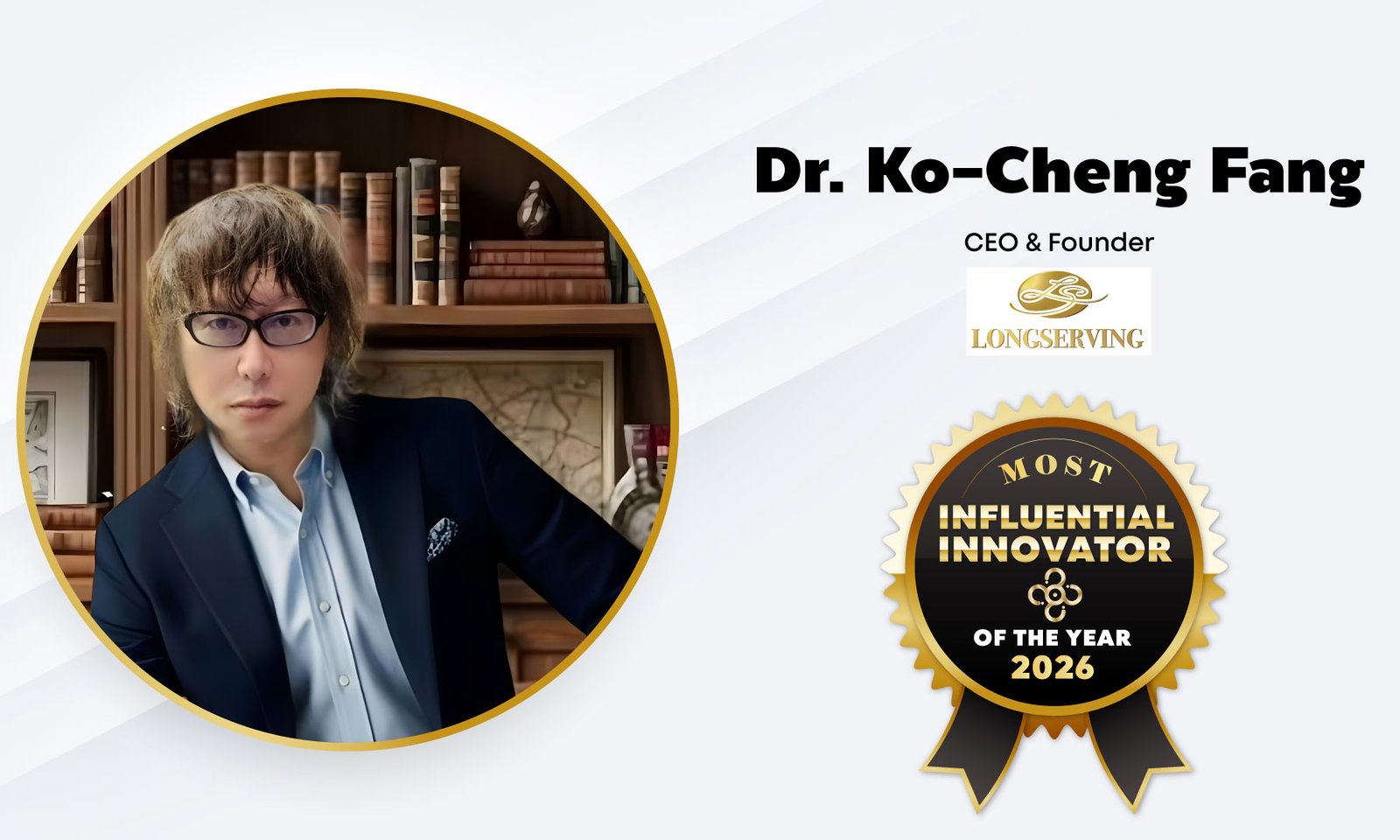
Dr. Ko-Cheng Fang: The Visionary Transforming Global Oncology with Targeted Nano-Botanicals
Dr. Ko-Cheng Fang is an inventor, entrepreneur, scientist, and artist who serves as the Founder, Chairman, and Chief Executive Officer (CEO) of LongServing Technology Co., Ltd. Operating out of Taipei, Taiwan, Dr. Fang has directed the development of a botanical-based oncology treatment utilizing natural plant extract compounds with potential antiviral and anti-tumor properties. His core invention shifts the process of cancer treatment from traditional systemic therapies into a targeted, non-toxic micro-injection system. Through a combination of Eastern and Western herbal philosophies, nano-formulation technology, and a focus on treating the tumor microenvironment, Dr. Fang is working to capture a significant breakthrough in global healthcare and oncology therapeutics.
The Core Inefficiency of Traditional Oncology Care
The foundation of Dr. Fang’s medical research stems from a practical observation about the limitations of current oncology treatments. Every year, more than 10 million people die from cancer, amounting to approximately 100 million deaths in a decade. For late-stage cancer patients, the primary options typically involve chemotherapy, radiation, or targeted therapies. However, these treatments are extraordinarily expensive, and their effectiveness is frequently limited. Patients often face the reality of tumor removal or complete organ removal. Furthermore, even after aggressive surgical intervention, the fear of recurrence remains a constant psychological burden.
Traditional treatments, such as highly aggressive chemotherapy or targeted drugs, operate systemically. While these toxic drugs are designed to kill cancer cells, they inevitably cause significant damage to healthy cells in the process. Side effects like severe hair loss and physical deterioration create profound psychological distress, sometimes leading patients to refuse or abandon treatment entirely. The process often exhausts the patient’s immune function and places an enormous emotional and financial burden on their families. Dr. Fang realized that the current paradigm was fundamentally flawed regarding patient retention of physical function and quality of life, prompting the search for a solution that could eliminate cancer cells without subjecting the body to additional chemical toxicity.
The Inspiration: Blending Eastern and Western Herbal Traditions
Although Dr. Fang does not come from a traditional medical background, his deep curiosity led him to study classical Chinese medical texts, such as the Compendium of Materia Medica and the Huangdi Neijing. He observed how traditional Chinese medicine applies the Five Elements theory—paralleling the seasonal cycles of spring, summer, autumn, and winter—to pharmacology. The ancient principles of “Jun, Chen, Zuo, Shi,” which dictate the formulation of traditional remedies, remain central to his methodology. He recognized the profound depth of a system with over 5,000 years of history, where practitioners can detect internal imbalances simply by observing a patient’s appearance or diagnosing their pulse to understand energy flow.
Simultaneously, Dr. Fang explored Western herbal medicine. Historically, human civilizations have turned to nature for healing, and the Western tradition is closely tied to the extraction of essential oils—a practice initially discovered by the French during perfume manufacturing. However, despite studying thousands of herbs from both traditions, Dr. Fang could not find an existing, highly effective solution for cancer. He observed that plants rely on complex phytochemicals, developed over millions of years, to defend against pests and external threats. Viewing these compounds as natural antibiotics, he combined his knowledge of Eastern and Western herbal traditions with his expertise in materials science, chemistry, and semiconductor technology to synthesize a new approach. He strictly utilized compounds derived entirely from natural herbal extracts that meet EU-certified organic standards, substances that have been used safely for centuries.
Scientific Foundation: Targeting the Tumor Microenvironment
The scientific idea behind the proprietary essential oil formulation relies on addressing the specific structural characteristics of cancer cells. While evidence of cancer dates back thousands of years—with ancient Egyptian skeletal remains from 4,200 years ago and written records of breast tumors from 2600 BCE—modern understanding of the disease focuses heavily on the tumor microenvironment.
Cancer cells thrive in an environment characterized by hypoxia (low oxygen), high acidity, immense metabolic demand, and chronic low-grade inflammation. These specific conditions are driven by lactic acid production, metabolic dysfunction, and the formation of abnormal blood vessel structures. This microenvironment not only allows cancer cells to evade the body’s natural immune system but also actively promotes their migration and metastasis. Dr. Fang’s principle involves targeting these specific conditions by reducing acidity and suppressing inflammation using identified plant extracts.
Because cancer cells continuously compete with immune cells for vital nutrients like glucose and amino acids, the body’s immune function becomes exhausted. Dr. Fang’s formulation capitalizes on the concept of selective toxicity. Just as theobromine and caffeine in chocolate are perfectly safe for humans but fatally toxic to the nervous and cardiovascular systems of dogs, certain plant-derived compounds can aggressively inhibit cancer cell activity without affecting normal human cells. The human body, particularly organs like the liver and kidneys, is already well-equipped to metabolize and safely eliminate these non-toxic natural substances.
Breakthrough Laboratory Findings in Oncology
To validate this theory, Dr. Fang assembled a dedicated research team of experts, including qualified doctors from Eastern and Western medicine and PhDs in medical science. LongServing Technology subsequently conducted rigorous in vitro experiments to test the efficacy of the natural plant extract. The results confirmed that the botanical extract significantly eliminate multiple human cancer cells.
For human liver cancer, the sample was tested against Huh7 cells. Laboratory killing tests confirmed that the extract successfully eliminates Huh7 cells. The testing protocol diluted the concentration from 8% down to 0.0039% across nine different variations, comparing the results against Sorafenib, a standard targeted drug for liver cancer. At a concentration of just 0.5%, the viability of the cancer cells reached approximately 0%. The half-inhibitory concentration (IC50)—the concentration required to kill half the cells—was calculated at an exceptionally low 0.00914%.
Similar definitive results were observed with human lung cancer using A549 cells. The extract successfully eliminates nearly 100% of the A549 cells. This trial diluted concentrations from 1% to 0.0039% and used Cisplatin as the positive control group. Once again, at a 0.5% concentration, cell viability was roughly 0%. The IC50 for the lung cancer cells was determined to be 0.04697%.
Furthermore, the testing was extended to A375 human melanoma cancer cells. The extract proved equally effective, eliminating nearly 100% of the melanoma cells. Tested against Cisplatin, the plant extract at a 0.5% concentration resulted in a 0% cancer cell viability, with an IC50 of 0.02187%. Crucially, under these same laboratory conditions, the formulation showed no observable harm to healthy cells.
Nano-Formulation and Semiconductor Synthesis
Achieving high laboratory efficacy is only the first step; delivering a sufficient dose of the anti-cancer plant extract directly into the cancer cells presents a massive logistical challenge. Dr. Fang’s solution required heavily modifying the natural extract, converting it from an oil-based state into a water-soluble form through specific alcohol-based processes.
Following this conversion, the compounds required nanonization. Dr. Fang leveraged his extensive background in advanced materials and semiconductor manufacturing. LongServing Technology had previously completed the development of a photonic quantum material that emit 2-nanometer X-ray short waves (X-photon) for photonic chip fabrication, advancing nanoscale photonic pathways and chip design integration. Dr. Fang applied similar nanoscale principles to the medical field. By utilizing technologies akin to nanodialysis membranes—where standard pore sizes range from 1 to 10 nanometers—the large plant molecules were successfully reduced into much smaller, highly penetrable particles.
Overcoming Systemic Toxicity with Probe-Based Delivery
To avoid the systemic toxicity that defines traditional chemotherapy, Dr. Fang incorporated a targeted local tumor delivery strategy. Instead of distributing the drug throughout the patient’s entire body, the nanonized extract is delivered directly into human cells via micro-injection.
This method relies on localized probe injection, using extremely fine needles that are typically less than 0.3 millimeters in diameter. Constructed from flexible stainless steel, these needles gently separate human tissue rather than tearing or damaging blood vessels. This technique is highly similar to the ancient practice of acupuncture, a method to which the human body is already well adapted. By delivering the compound directly to the targeted tumor area, the drug penetrates the cancer cells with maximum efficacy while keeping systemic exposure to an absolute minimum. This targeted, non-surgical approach functions as an advanced puncture treatment, offering a vastly superior alternative to major surgical excisions.
The Regulatory Landscape and Challenges in Biotech
Transitioning from laboratory success to human clinical application is fraught with systemic hurdles. One of the greatest challenges Dr. Fang faces involves rigid government regulations. While certain traditional Chinese medicines can achieve approval based on classical texts without extensive human trials, Western herbal practices—such as essential oil-based therapies—face entirely different, far stricter regulatory standards. They are generally not permitted to claim therapeutic effects.
This regulatory imbalance significantly disrupted Dr. Fang’s early research. During the COVID-19 pandemic, LongServing Technology rapidly developed an essential oil extract demonstrating significant antiviral potential. However, due to regulatory constraints, the company was forced to withdraw the product from the market or face severe investigation and fines. Even their legally licensed medical practitioners were questioned by authorities. This environment requires extreme caution; all experimental procedures must strictly comply with regulations, and independently obtained private data cannot be publicly presented. Studies must instead be submitted to large medical institutions for replication, introducing massive delays.
Furthermore, the financial barriers are immense. Bringing a new drug to market typically requires tens of billions of dollars in early-stage investment, with Phase III human trials demanding at least another hundred million dollars. These massive development costs inevitably drive up the final price of the medication.
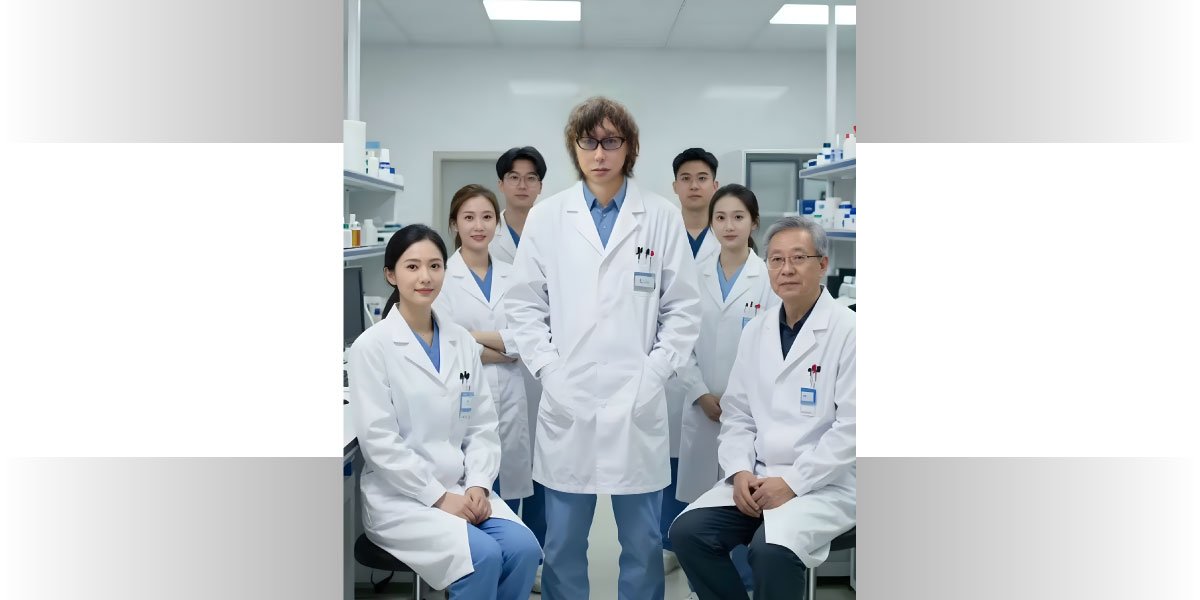
A Multidisciplinary Legacy: Science, Art, and Quantum Computing
Beyond biotechnology, Dr. Ko-Cheng Fang is celebrated for his rare ability to transcend disciplines, earning him a reputation as a modern-day Leonardo da Vinci who integrates science, technology, and art into visionary innovation. His work spans artificial intelligence robotics, cross-cultural fine art, and advanced materials.
Early in his career, Dr. Fang focused on cybersecurity, developing patented technologies for cloud storage systems and programmable password locks. These early innovations contributed heavily to cloud computing and were reportedly adopted by the United States Department of Homeland Security.
In the realm of physical materials, he pioneered gem-grade laboratory-grown Imperial Green jadeite for high-end jewelry, combining crystal growth engineering with advanced materials science and aesthetic craftsmanship. He has also pushed the boundaries of photonic quantum computing, developing “X-Photon,” a material capable of emitting light at a 2-nanometer wavelength designed for next-generation photonic quantum chips, photonic transistors, and nanoscale pathways. This research explores optical computing systems that bypass the limitations of traditional electron-based semiconductors.
His artistic endeavors are equally profound. Having studied traditional Chinese bird-and-flower Gongbi techniques since childhood, he expanded into Western watercolor and oil painting. His cross-cultural style reflects Gongbi precision, classical Western realism, and Impressionist light-shadow transitions. His artwork was included in the Glory of the Chinese world stamp collection, with limited-edition stamps issued in Malaysia, South Korea, Japan, and Ukraine. On January 13, 2026, his art was displayed on a large digital screen in Times Square, New York. In 2026, he expanded LongServing Technology into contemporary fashion design, transforming his paintings into apparel, footwear, and handcrafted boutique bags that incorporate his laboratory-grown jadeite. His lifetime of achievements led to his induction into the Chinese Role Model Hall of Fame in 2025, and he was named one of the Top 10 Leading Men by Microsoft MSN in 2026.
Future Clinical Milestones and Global Partnerships
As LongServing Technology moves toward animal studies and preclinical evaluations, Dr. Fang’s immediate priority is verifying the drug’s absolute efficacy and ensuring it produces no harmful side effects on the human body. To achieve this, he has assembled a highly credentialed testing and advisory team featuring prominent medical experts. This includes Wei-Jen Ou, M.D., M.M.Sc., Director of the Division of Hematology and Oncology at Landseed International Hospital; Yi-Chung Chen, M.D., Attending Physician at Veterans General Hospital; Chun-Tzu Chen, M.D., a dually trained licensed physician in Western and Chinese medicine; and Shao-Yi Lu, M.D., Ph.D., an Attending Physician at Hualien Armed Forces General Hospital.
To overcome the massive financial and regulatory barriers, Dr. Fang is actively seeking philanthropic support, equity collaboration, and partnerships with leading global biotechnology companies. The ultimate goal is to radically transform the future of oncology care. Dr. Fang envisions a future where cancer treatment focuses on preserving a patient’s physical function and significantly reducing both hospitalization time and medical expenses. By eliminating the systemic destruction caused by current therapies, Dr. Fang hopes to ease the profound emotional and financial burden placed on patients and their caregivers, offering a genuine, non-toxic chance at long-term healing for millions of families worldwide.




Related Post