
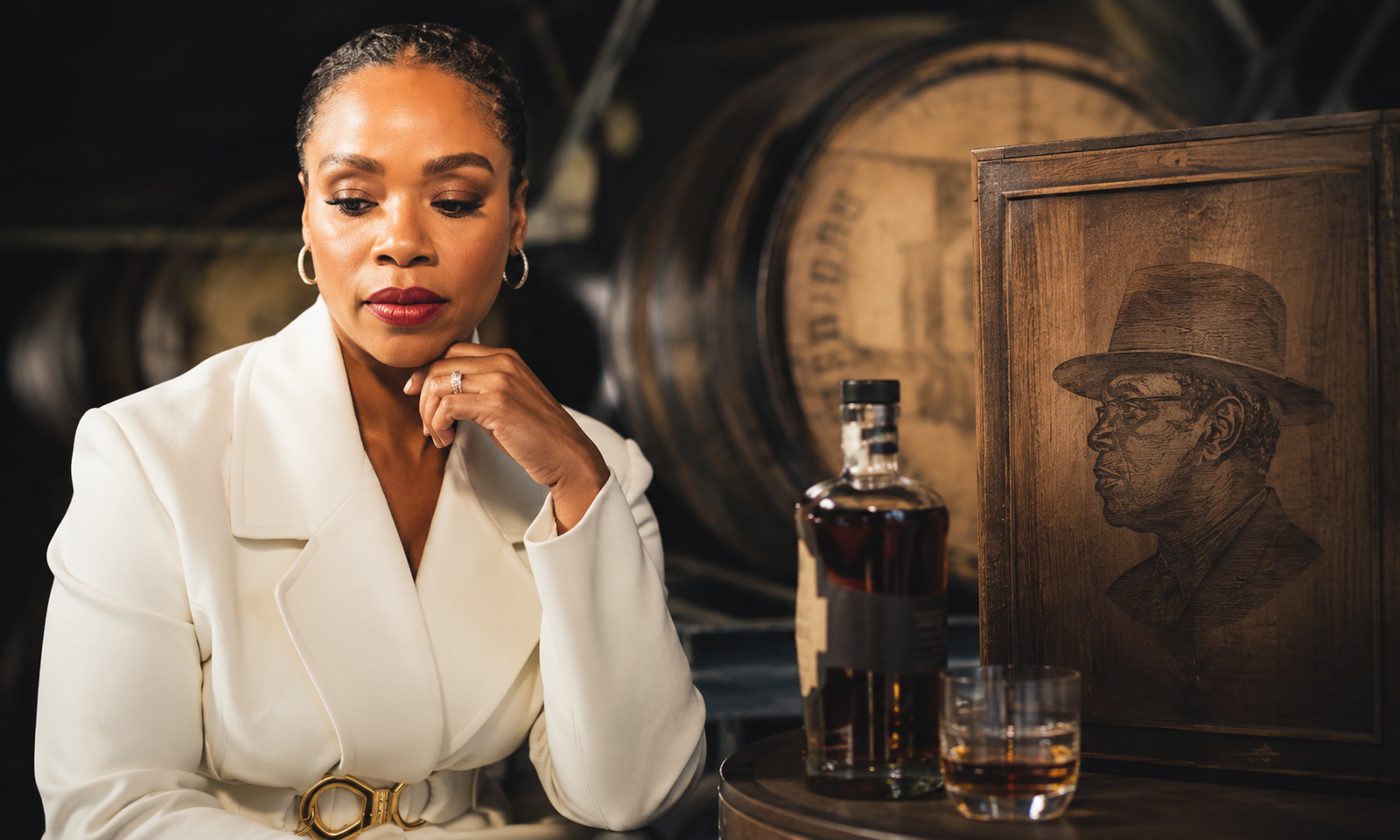
Fawn Weaver Removed From Uncle Nearest Whiskey Empire
Fawn Weaver built Uncle Nearest Premium Whiskey from a simple concept into a billion dollar beverage empire. The board of directors removed her from her position as chief executive this week. She founded the company in 2017 to honor Nathan Green. Green was the enslaved man who taught Jack Daniel the art of distilling. Weaver spent years raising capital to expand the business and built a massive distillery in Tennessee. She transformed a forgotten piece of history into the most successful independent whiskey brand in American history. Now outside investors control the future of that brand. This boardroom decision highlights the brutal reality of trading equity for growth money.
The Discovery
To understand the weight of this boardroom shift you have to look at how Weaver built the company. She did not start in the beverage industry. She was an author and a real estate investor. In 2016 she read a newspaper article about the true origins of Jack Daniel. The article mentioned a man named Nearest Green. Weaver traveled to Lynchburg Tennessee to learn more. She ended up buying the farm where Green originally taught Daniel how to make whiskey.
Weaver spent thousands of hours interviewing descendants of Green. She dug through local archives. She found the exact plot of land where the original distillery stood. She realized that the world needed to know this story. She decided the best way to tell it was to put Green on a bottle of premium whiskey. She launched the brand from scratch. She faced a traditional industry dominated by massive global corporations.
Correcting the Record
For over a century the official story of Jack Daniel credited a white preacher named Dan Call for teaching Daniel how to distill. That story was printed in books and repeated by tour guides. Weaver proved it was a complete fabrication. Dan Call owned the farm but Nathan Green did the actual distilling. Green was the true master distiller.
When Weaver brought this evidence to the parent company of Jack Daniel they actually listened. Brown Forman officially changed their historical tours to recognize Green as the first master distiller. This level of industry disruption is incredibly rare. Weaver did not just build a competing brand. She forced the biggest name in American whiskey to rewrite its own history. This is why her removal hurts so deeply for the fans of the brand. She was a historical activist operating inside a corporate structure. Now the corporate structure has removed the activist.
Building the Physical Empire
Selling whiskey is incredibly difficult. Making whiskey is even harder. You cannot just brew it and sell it the next day. Whiskey requires patience. You have to distill the liquid and put it into charred oak barrels. Then you wait. You wait four years. Sometimes you wait seven years. During that entire waiting period you make zero money on that specific barrel.
This creates a massive cash flow problem for new companies. You have to buy the grain. You have to pay the distillers. You have to buy the expensive oak barrels. You have to build massive warehouses to store them safely. Weaver did all of this. She purchased a massive plot of land in Shelbyville Tennessee. She built a sprawling distillery campus. She turned it into a major tourist destination. The property includes tasting rooms and historical exhibits. It cost millions of dollars to build.
The Technical Tradition
Weaver did not just bottle generic liquor. She insisted on honoring the specific techniques created by Green. This includes the Lincoln County Process. This specific method requires filtering the raw whiskey through sugar maple charcoal before it goes into the aging barrel. This filtration strips out impurities. It makes the whiskey incredibly smooth.
This step is the exact difference between Kentucky bourbon and Tennessee whiskey. It also costs a lot of extra money to perform. You have to burn the sugar maple wood. You have to manage the massive filtration vats. Corporate accountants hate the Lincoln County Process because it slows down production and eats into profit margins. Weaver protected this process fiercely. She knew it was the authentic way Green made his spirits.
The Distribution Battle
Making good whiskey is only half the battle. Getting it onto store shelves is a brutal war. The United States uses a three tier system for alcohol sales. Producers cannot sell directly to stores. Producers must sell to distributors. The distributors then sell to the local liquor stores and bars.
Distributors hold all the power. They prefer to work with massive brands because it guarantees easy money. Convincing a distributor to take a chance on a new independent brand is nearly impossible. Weaver traveled the country doing it herself. She walked into bars. She pitched the story to local managers. She built the retail relationships one city at a time. The brand exploded in popularity because consumers connected with the authentic history. The distributors finally paid attention. Uncle Nearest became the fastest growing American whiskey brand ever recorded.
The Trap of Outside Money
Building that massive physical campus and funding national distribution requires cash. A founder rarely has enough personal wealth to fund that level of construction and marketing. Weaver had to bring in outside investors. This is where the seed of her ouster was planted.
When you take money from private equity firms you sign away pieces of your ownership. More importantly you sign away board seats. A board of directors controls a corporation. They have the legal power to hire and fire the chief executive. When a founder owns more than half the voting shares they remain entirely safe. When a founder sells too much equity to fund rapid expansion they lose that safety net.
Investors do not give companies money out of kindness. They expect a massive financial return. They operate on specific timelines. An investment fund usually wants to see a massive profit within five to seven years. They achieve this return by forcing the company to go public on the stock market or by selling the brand to a massive conglomerate.
The Math of Whiskey Investment
When private equity enters a spirits brand they look at case depletion rates. This is the industry term for how fast cases of liquor leave the distributor warehouse and enter retail stores. Uncle Nearest had depletion rates that rivaled heritage brands that had been on the market for fifty years. The investors saw a clear path to one million cases a year.
At one million cases a brand moves from a craft success story into a global powerhouse. To reach that volume you need massive marketing budgets. You need international distribution deals. A founder who cares deeply about the personal story and local community often resists the aggressive tactics required to reach that scale. Corporate executives do not resist. They optimize the supply chain. They secure cheaper glass bottles. They renegotiate grain contracts to save pennies on every gallon. All of these small changes boost the final valuation when the company is sold.
The Conflict of Vision
This timeline pressure creates a fatal conflict between founders and investors. Weaver built Uncle Nearest to honor a legacy. She hired Victoria Eady Butler to be the master blender. Butler is a direct descendant of Nathan Green. She was working a stable government job before Weaver convinced her to join the whiskey brand. Butler became the first known Black female master blender in history. She won Master Blender of the Year multiple times.
The company established a foundation to pay for the college education of Green family descendants. Weaver viewed the company as a cultural institution. Financial investors view the company as a line item on a spreadsheet. Uncle Nearest grew rapidly. It won hundreds of industry awards. It secured shelf space in every major liquor store in the country.
That success makes the brand incredibly attractive to huge alcohol conglomerates. Companies like Diageo or Pernod Ricard pay billions of dollars to acquire successful independent brands. A founder might want to stay independent forever. Investors want the billion dollar payout. If the founder refuses to sell the investors use their board seats. They vote the founder out. They install a new corporate executive. That new executive has one job. Their job is to prepare the company for a sale.
The Reality of the Beverage Industry
The alcohol industry is built on consolidation. Thousands of independent brands launch every year. A few of them survive. The ones that survive and reach a certain revenue threshold almost always get swallowed by the giants.
The giants control the distribution networks. They control the massive marketing budgets. They want to buy established brands rather than take the risk of building new ones from scratch. Uncle Nearest hit the exact revenue metrics that trigger acquisition offers. Weaver built the company too well. She created an asset so valuable that her financial partners decided they could no longer let her control it.
What Happens to the Mission
The biggest question now is what happens to the cultural mission of Uncle Nearest. The brand story is deeply tied to Black history and the recognition of enslaved labor in the creation of American whiskey. Weaver was the fierce protector of that story.
Corporate boards care about profit margins. They might keep the charitable foundations running because it looks good for public relations. But the soul of the company changes when the visionary leaves the building. The new leadership will focus on cutting production costs. They will look for ways to increase output. They might alter the recipe to appeal to a broader international market. The story of Nathan Green will transition from a driving daily mission into a simple marketing slogan printed on the back of a box.
The Warning for New Entrepreneurs
This event serves as a brutal warning for every person starting a business. Your title does not matter. The fact that you came up with the idea does not matter. The fact that your name is on the building does not matter. The only thing that matters in corporate law is who controls the board of directors.
Many young entrepreneurs celebrate when they secure massive rounds of funding. They post about it on social media. They view it as a victory. Experienced business people view funding as a dangerous compromise. Every dollar you take from an investor is a tiny slice of your own authority handed away. Weaver traded equity for the cash needed to build a legendary distillery. The bill for that cash finally came due.
Looking at the Founder Legacy
Fawn Weaver is no longer running the daily operations. She does however remain a significant part of the company history. The board cannot erase the fact that she built the brand from nothing. She broke into an industry entirely controlled by white men. She forced the entire American whiskey establishment to acknowledge the Black history at the foundation of their trade.
She still owns a large portion of the shares. When the board inevitably sells the company to a conglomerate Weaver will make an enormous amount of money. She will walk away with immense personal wealth. She will also walk away with a track record of unprecedented success.
The business world is ruthless. It removes visionaries the moment they stand in the way of a financial exit. But Weaver achieved her original goal. The world now knows the name Nathan Green. You can walk into any bar in America and order a glass of Uncle Nearest. The board of directors controls the bank accounts today. Weaver secured the historical legacy forever.