
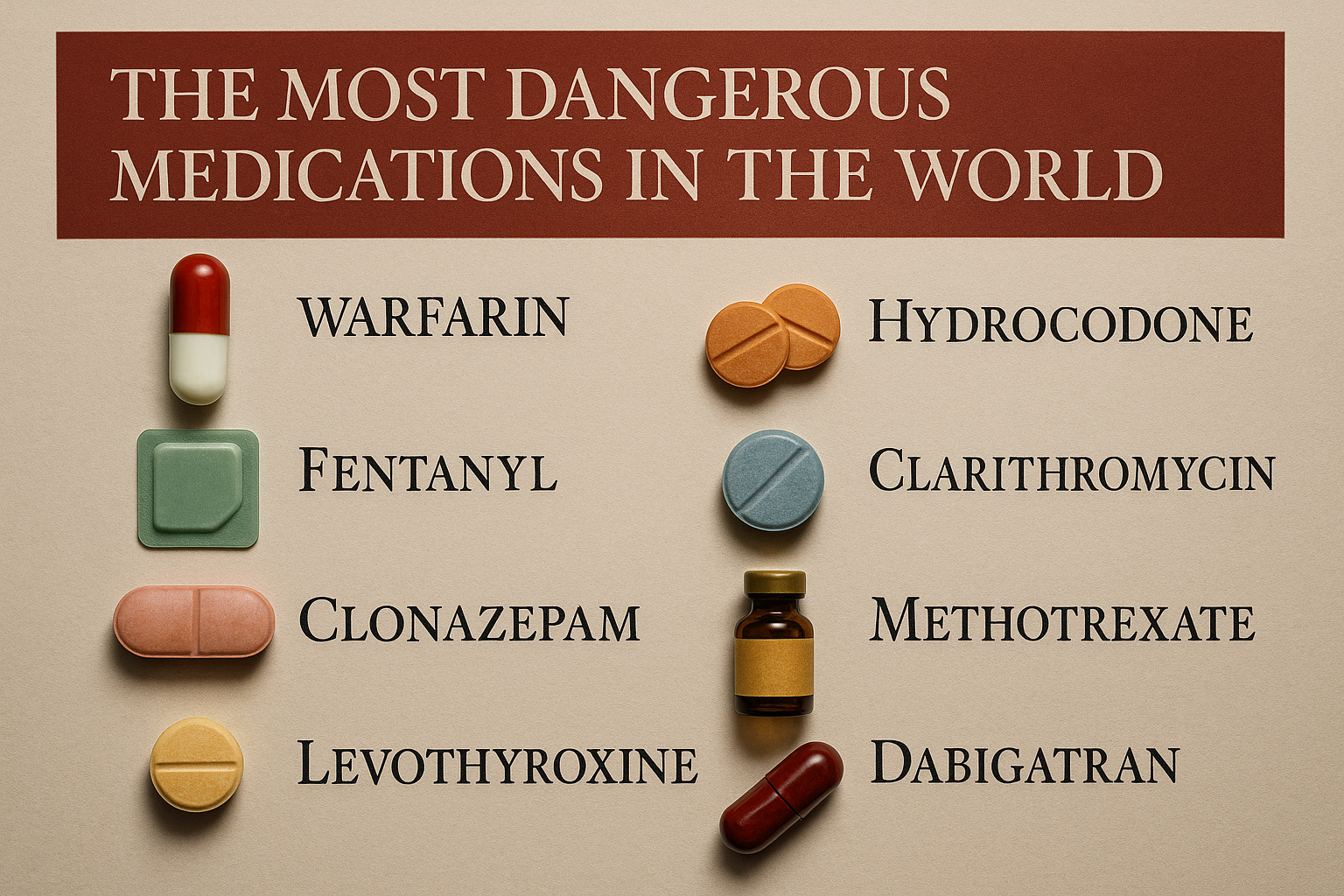
Medications are a cornerstone of modern medicine, transforming once-deadly illnesses into manageable, treatable conditions and improving quality of life for millions of people. However, while most medications are safe when prescribed and used as directed, some can carry serious, even life-threatening risks. The world’s most dangerous medications are prescribed to millions every year, and understanding their risks, side effects, and safe use is crucial for protecting yourself and your loved ones.
This article explores the most dangerous medications in widespread medical use, explains why they can be risky, highlights the most severe side effects and drug interactions, and offers practical steps for medication safety. You’ll also learn how to work with your healthcare provider to minimize these risks, empowering you to use medications effectively and confidently.
Why Do Some Medications Become Dangerous?
All medicines have the potential for side effects, but some become particularly hazardous for a combination of reasons. Medications with a high risk of misuse or overdose, unpredictable or severe side effects even at prescribed doses, and complex interactions with other drugs or foods stand out as especially risky. Certain drugs become toxic in specific populations such as the elderly, pregnant women, or children, while others can cause dependency or addiction. The potential for causing long-term organ damage or even raising the risk of cancer also contributes to a medication’s danger profile. Notably, many of the most dangerous medications are common prescriptions used for pain, sleep, anxiety, infections, heart conditions, or blood thinning. Problems often arise because of improper use, underlying medical conditions, drug combinations, or rare but catastrophic reactions.
The World’s Most Dangerous Medications: A Detailed Overview
Below, you’ll find an overview of drug classes widely considered among the most dangerous worldwide, the reasons for their use, and their major risks. Understanding these will help you recognize potential warning signs and enable you to have informed conversations with your healthcare provider.
1. Opioids
Opioids such as fentanyl, oxycodone, morphine, methadone, and hydrocodone are primarily prescribed to treat moderate-to-severe pain, especially after surgeries, with cancer, or following injury. Their risks include extreme addiction potential, the possibility of life-threatening overdose causing respiratory depression within minutes, and enhanced danger when combined with alcohol or sedatives like benzodiazepines. Fentanyl alone is 50 to 100 times more potent than morphine—a tiny miscalculation can prove fatal. In recent years, the accessibility of fentanyl has fueled a global opioid overdose epidemic with tens of thousands of deaths annually.
2. Benzodiazepines
Drugs like alprazolam (Xanax), diazepam (Valium), and lorazepam (Ativan) are widely used for anxiety, panic attacks, muscle spasms, and sleep disorders. Benzodiazepines present a high risk of dependence and withdrawal, frequent memory loss, confusion, and can severely raise the risk of falls, especially in seniors. They also carry a risk of dangerous respiratory depression, particularly when used alongside opioids or alcohol. Withdrawal from benzodiazepines can result in seizures, which may be life-threatening without medical supervision.
3. Anticoagulants and Blood Thinners
Warfarin, heparin, apixaban, and rivaroxaban are prescribed to prevent or treat blood clots, strokes, or heart attacks in people with atrial fibrillation or artificial heart valves. While they are life-saving for many, the primary risk comes from major internal or external bleeding, which can sometimes be fatal. Serious interactions with common foods and drugs mean that incorrect dosing or mismanagement can quickly lead to either dangerous clotting or uncontrollable bleeding.
4. Insulin and Diabetes Medicines
Insulin, metformin, sulfonylureas, and similar drugs are used to manage blood sugar in diabetes. Severe hypoglycemia, or dangerously low blood sugar, is the major risk and may cause confusion, seizures, coma, or death if untreated. Metformin can lead to a rare but life-threatening complication called lactic acidosis, especially in people with kidney problems. Some oral diabetes medications have been linked to cardiovascular risks and even rare cancers in recent studies.
5. Chemotherapy Drugs and Immunomodulators
Medicines like methotrexate, thalidomide, and biologic agents are used for cancer and autoimmune diseases. These drugs can cause profound immune suppression, which might result in life-threatening infections. Thalidomide is infamous for causing severe birth defects if taken during pregnancy. Chemotherapies often have a narrow window between therapeutic and toxic doses, with additional risks of liver, kidney, lung, and heart toxicity.
6. Anticonvulsants and Antibiotics
Lamotrigine, carbamazepine, certain sulfa drugs, and powerful antibiotics like fluoroquinolones are prescribed for seizure disorders, nerve pain, and infections. Rare but devastating side effects include severe allergic skin reactions such as Stevens-Johnson syndrome or toxic epidermal necrolysis. Some antibiotics can also cause tendon rupture, disturb heart rhythms, or damage the liver or kidneys. Severe allergic reactions may require emergency intervention.
7. Stimulants
Stimulant drugs such as methamphetamine (illicit), cocaine (illicit), and prescription amphetamines like Adderall are used under strict regulation for attention deficit hyperactivity disorder (ADHD) or narcolepsy. They are highly addictive and carry the risk of sudden heart attack, stroke, or psychiatric symptoms including psychosis. Misuse is often linked to violent behavior and cognitive decline over time.
8. Statins
Frequently prescribed medications like atorvastatin, simvastatin, and rosuvastatin are used to lower cholesterol and reduce the risk of heart attack. Statins are generally safe, but in rare cases, they may cause rhabdomyolysis (dangerous muscle breakdown leading to kidney failure) or serious liver injury. Some users report muscle aches and weakness that require medical review.
9. Other Common Medications with Rare Catastrophic Side Effects
ACE inhibitors such as lisinopril can cause severe swelling of the face or throat (angioedema), which is life-threatening. Common painkillers like NSAIDs (ibuprofen, diclofenac) have risks such as stomach ulcers, kidney damage, and increased chance of heart attacks. Certain antipsychotics and antidepressants might increase suicide risk in vulnerable groups or cause dangerous heart rhythm disturbances.
Most Severe and Deadly Side Effects to Watch For
Though most side effects are minor, certain severe reactions warrant immediate action. Sudden allergic reactions—characterized by swelling of the face, hives, and difficulty breathing—signal anaphylaxis and require urgent emergency care. Severe blistering or peeling skin, ulcers, high fever, or unexplained pain can indicate Stevens-Johnson syndrome and demand immediate treatment. Uncontrolled bleeding, confusion, hallucinations, seizures, chest pain, irregular heartbeats, or a sudden severe headache always need prompt medical attention.
Why Proper Medication Management Is Critical
A significant number of medication-related deaths and injuries each year are preventable with careful management. Open and detailed communication with your doctor is crucial. Always report every medication, including supplements and over-the-counter products, to each healthcare provider you visit. Don’t hesitate to ask about the most serious side effects and inquire about necessary lifestyle modifications to minimize risk. Understanding what each drug is for, how long you should take it, and what improvements to expect helps you detect unusual symptoms—making prompt reporting more likely. It is also essential to never take medication prescribed for someone else or to alter your dose without your physician’s permission. Secure all medications out of children’s reach and safely dispose of unused or expired prescriptions, especially opioids and benzodiazepines, at a pharmacy or official drop-off site. At the first sign of unexplained or severe reactions, contact your doctor, pharmacist, or emergency services.
Medication Safety Regulations
Government agencies like the US Food and Drug Administration (FDA) assign special warnings, known as black box warnings, to the most dangerous medications. Many also require risk evaluation and mitigation strategies, or REMS, with paperwork and additional safety measures to ensure the benefits clearly outweigh the potential harms. Even so, an informed and proactive patient remains the best line of defense.
Frequently Asked Questions
Some dangerous medications are completely legal and often prescribed for common conditions like pain, anxiety, or cholesterol—not just for terminal illnesses or rare diseases. To check whether a medication is high-risk, ask your doctor or consult public sources such as Drugs.com or MedlinePlus. Most severe complications are rare when medications are taken exactly as prescribed and monitored carefully by medical professionals.
Final Thoughts: Safe Use of Life-Saving but Dangerous Medications
Medications can transform and save lives, but only when carefully managed. Arming yourself with the right knowledge, maintaining open communication with healthcare professionals, and watching for warning signs are critical steps to ensuring that medicines are a source of healing rather than harm. Always use medications as prescribed, never mix them with alcohol or unknown substances, and ask for periodic reviews of your medication list with your doctor. If you are ever in doubt or notice severe or unusual symptoms, act quickly. Early action can save lives.
Disclaimer: This article is for informational purposes only and does not substitute for professional medical advice. Always consult a licensed healthcare provider regarding questions about your medications or health.