
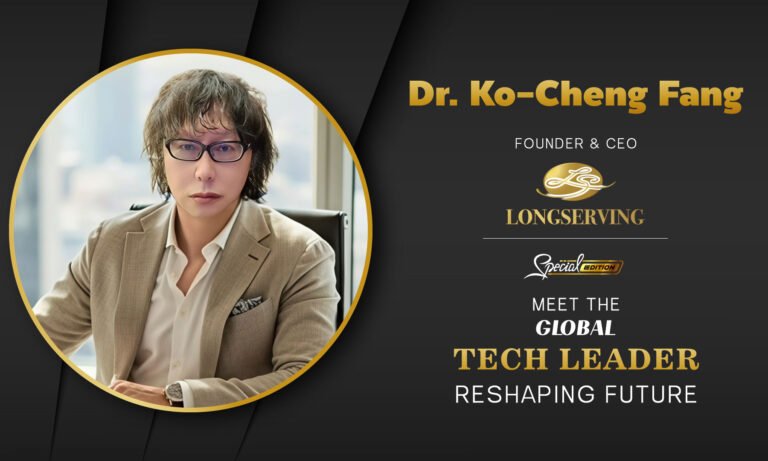
The Women Leaders Revolutionizing the Music Industry – 2026
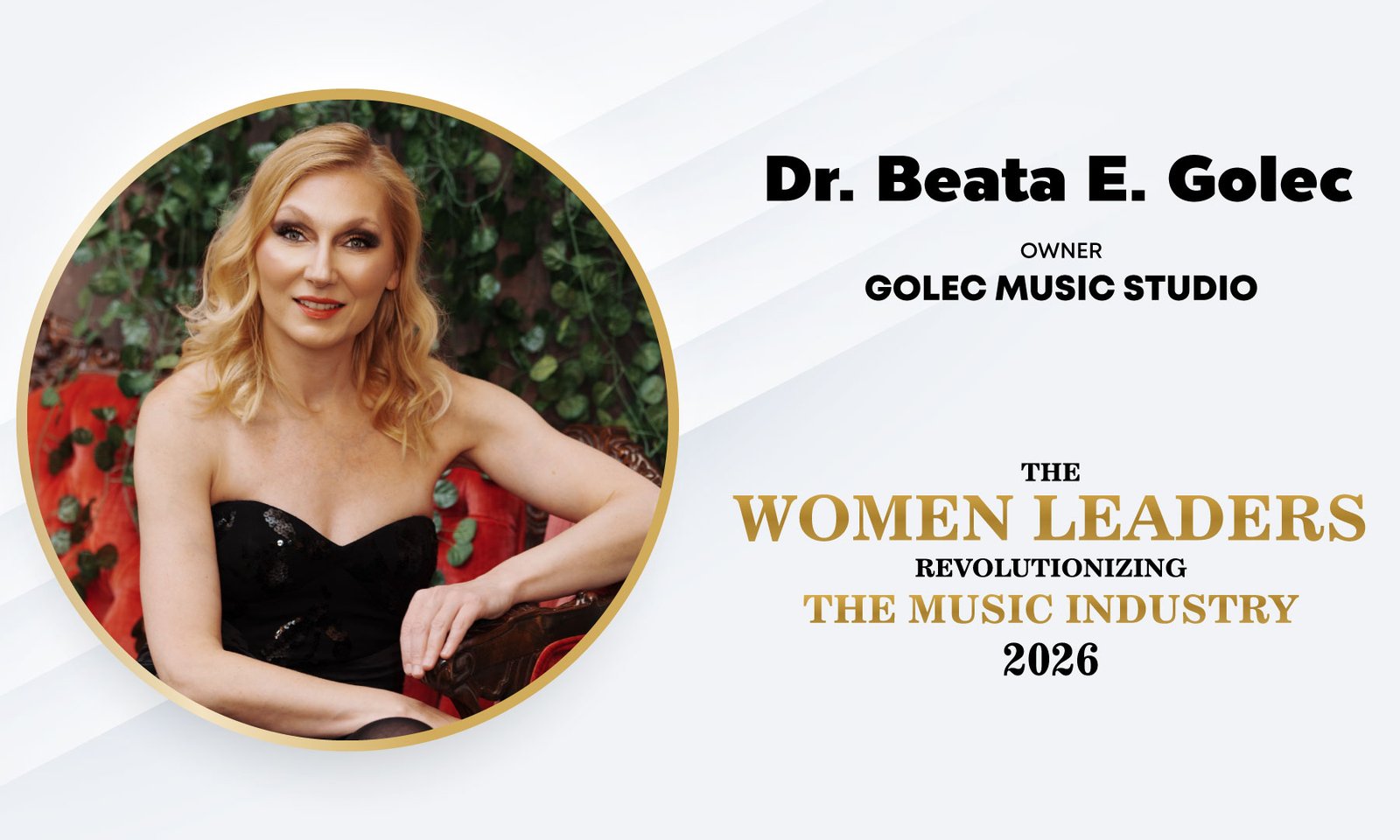
Dr. Beata E. Golec: A Driving Force in Music and Education Leadership
Dr. Beata Golec is a pianist, composer, music theorist, and educator whose work spans international performances, higher education, and local community initiatives. As the owner of the Golec Music Studio and an instructor at both the State University of New York and the Rochester Institute of Technology, she has established a comprehensive approach to music education. She serves on the boards of examiners for Advanced Placement in Music Theory and International Baccalaureate in Music, as well as the Board of Assessment Review for the town of Victor, New York. Recognizing her extensive contributions to both business and education, she is highlighted as one of the women leaders revolutionizing the music industry in 2026.

Rigorous Early Education in Poland
Beata’s musical education started at age seven upon her acceptance into the Mieczyslaw Karlowicz School of Music in Katowice, Poland. The Polish educational system provided a highly competitive and comprehensive structure for excelling students. By the time she reached high school, her daily schedule consisted of twelve hours of classes, lessons, and practice. Her curriculum included piano, accompanying, cello, orchestra, form analysis, music history, aural skills, part writing, counterpoint, conducting, and orchestration, all completed alongside her standard high school education. She discovered early on that she possessed perfect pitch, a trait that assisted her significantly in aural skills classes and music transcription.
After high school, she enrolled as a full-time student at two higher education institutions located 200 miles apart. She studied piano performance and literature at the Frederic Chopin University of Music in Warsaw, while simultaneously studying composition and music theory at the Karol Szymanowski University of Music in Katowice. This required her to ride the Intercity trains between the two cities at least three times a week. Because the Polish education system was free and highly competitive, she received monthly stipend scholarships from the government each year at both universities.
Expanding Academic Horizons in the United States
During her freshman year in Warsaw, she received an invitation to attend the Chautauqua Institution Summer Music School on a full scholarship. This experience shifted her focus toward the Eastman School of Music in the United States. She eventually studied at Eastman on a full scholarship, earning Master of Music and Doctor of Musical Arts degrees in Piano Performance and Literature. At the same time, she enrolled as a PhD student in Composition at the University of Buffalo for one year. Balancing two full-time doctoral programs, a teaching assistant position at Eastman, and external work stretched her too thin, prompting her to conclude her studies at Buffalo. While completing her degrees at Eastman, she became an examiner for Advanced Placement in Music Theory, accepted a teaching position at SUNY Geneseo, and served as the Director of Music Programs for the Diocese of Rochester.
Foundational Influences and Family Support
Her mother, Alicja, an award-winning educator, served as the initial catalyst for her artistic path. Alicja noticed her daughter’s keen ear at an early age and remains her primary role model for empathy, fairness, and the ethical treatment of others within the educational system. Her parents sacrificed their resources and time to provide her with superior academic opportunities, a wholesome upbringing, and high moral standards. Additionally, meeting musicians from diverse international backgrounds shaped her sensitivity toward others, reinforcing her belief that all people share universal desires for belonging, understanding, and happiness.
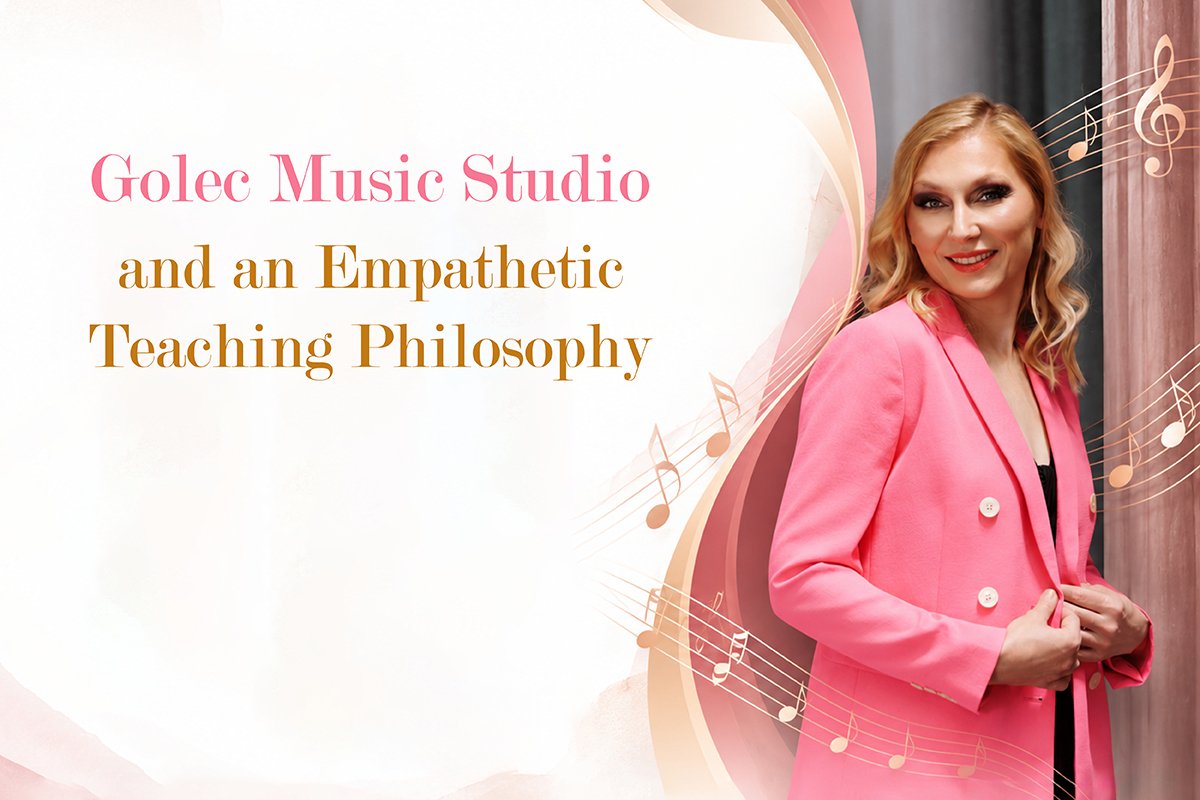
Golec Music Studio and an Empathetic Teaching Philosophy
Beata established the Golec Music Studio to address the diverse needs of her community. The studio is Better Business Bureau accredited with an A+ rating and serves a wide demographic. She accepts students as young as three years old, neurodiverse children and adults, and retired individuals seeking new meaning in their lives. She also works with adult learners who face challenges such as memory loss, illness, or limited physical agility, as well as individuals returning to music decades after initially giving it up.
The studio provides piano, voice, theory, analysis, and composition lessons. She prepares her students for NYSSMA competitions, college and graduate school auditions, choral auditions, job interviews, and Advanced Placement and International Baccalaureate exams. Her services extend to providing music for weddings, religious celebrations, corporate events, and fundraising concerts. Recognizing that many adult students have highly demanding professional careers, the studio offers flexible scheduling options rather than requiring strict weekly lesson times.
Unlike many other schools, the studio remains open year-round, including during school breaks and the summer season. She believes this continuity is a critical factor in retaining skills and gaining a head start before a new school year begins. Furthermore, the studio operates as an approved vendor for the New York State Department of Education and Heritage Christian Services to provide music lessons to students with learning disabilities.
Her business strategy is fundamentally “people-first,” centering organizational decisions around human needs rather than instant returns on investment. She views her students, clients, and collaborators not as transactions, but as critical relationships built on loyalty and trust. Her teaching philosophy relies on empathy, active listening, and a strict policy of never judging. She avoids lecturing, which she views as the quiet enemy of creativity. Instead, she acts as a guide rather than an intimidating authority figure. This empathetic approach transforms lessons into two-way dialogues, making the classroom environment safe and relaxed so that students feel respected and open to sharing their creative ideas.
The Science of Music and Holistic Education
She views music learning as the ultimate brain food. The process of making music activates the entire body, stimulating the auditory, visual, and motor cortices. It promotes critical thinking, improved coordination, and memory retention. Over the long term, music induces neuroplasticity, boosts motivation, and creates a cognitive reserve that protects against mental deterioration.
She emphasizes that true musicianship requires understanding a composer’s background, culture, traditions, and emotions. By referencing Evelynn Glennie’s TED Talk on listening, she highlights that the complexity and science of music extend far beyond the notes written on a manuscript. For this reason, her students thoroughly explore music theory, history, and analysis, developing investigative and critical thinking skills that foster independence and confidence.
Community Impact Through Young Musicians’ Concerts
Community building is a central pillar of her work. She believes that music originated as a tool for communication, storytelling, and community bonding, rather than as a platform for competition. To restore this primary function and alleviate the anxiety often associated with competitive music-making, she founded the Young Musicians’ Concerts in 2016.
These charity concerts take place twice a year and function as fundraisers for the food pantries at Holy Cross and Our Mother of Sorrows Churches in Rochester, New York. The next recital will take place on November 8, 2026, at Our Mother of Sorrows Church.
The concerts operate on three core missions. First, they provide a stress-free performance environment. Students are not required to memorize their music, and there are no printed programs dictating the performance order. She typically opens the recital by performing an original composition, leading by example. Students of all ages and levels then volunteer to come forward, introduce themselves, and announce their pieces. Families often perform together, which boosts children’s confidence and enjoyment.
Second, the events raise essential funds for community outreach programs to support less fortunate individuals. Third, the concerts teach children the value of sharing. Families shop together for non-perishable food items to donate, providing parents an opportunity to teach their children about the realities of hunger and what it means to provide a meal for another family.
Recognitions and Professional Awards
Her commitment to education, ethics, and community leadership has resulted in numerous accolades. In 2020, she received the SUNY Chancellor’s Award for Excellence in Teaching. In 2024, she earned the Victor Business Award and became an honoree of the Ontario County ATHENA Leadership Awards. Throughout 2025, she sponsored the “Unmasking the Silence” Masquerade Ball for Suicide and Mental Health Awareness, as well as the 40th Ontario County ATHENA Leadership Awards.
The year 2026 brought further recognition. She was named a finalist for the ROC the City Choice Awards in the Best Professional Services category and won the 2026 Better Business Bureau Torch Award for Ethics. In July 2026, she received the Trusted Business Award and the International Association for Business Excellence Award. The following month, she was honored with the Global Recognition Award, and in November 2026, she is scheduled to sponsor the 41st Ontario County ATHENA Leadership Awards.
Overcoming Systemic Barriers as a Woman Leader
Building a respected career in the music industry has required her to navigate a complex web of systemic barriers, gender-based stereotypes, unequal pay, and the motherhood penalty. She frequently addresses the “double bind” that women leaders face: the impossible expectation to be a highly competent leader while simultaneously embodying traditional feminine traits such as being submissive, approachable, nice, and agreeable. She notes that assertive women are often unfairly categorized as aggressive and unfriendly, whereas men exhibiting the same traits are praised for being effective and in charge.
Women in positions of power are frequently expected to continuously prove their worth. Throughout her career, she has encountered individuals who labeled her as undereducated, criticized her playing abilities, referred to her merely as a housewife or an assistant, and predicted she would face bankruptcy. She learned that overcoming these blatantly discriminatory comments requires filtering out toxicity and separating other people’s hostile behavior from her own self-worth. By setting firm interpersonal boundaries, staying neutral, and focusing on constructive feedback, she prevents bullies from tearing her down.
Resilience and tenacity are the primary traits she credits for her ability to push through gender bias. Resilience allows her to adapt and bounce back from challenges, while tenacity provides the persistent mental drive required to achieve difficult goals. She actively avoids complacency, noting that accepting the status quo or settling for a “good enough” mentality destroys great leadership. Her professional progression—spanning different continents, languages, and cultures—taught her how to adjust quickly, communicate clearly, and seek growth opportunities in seemingly impossible situations.
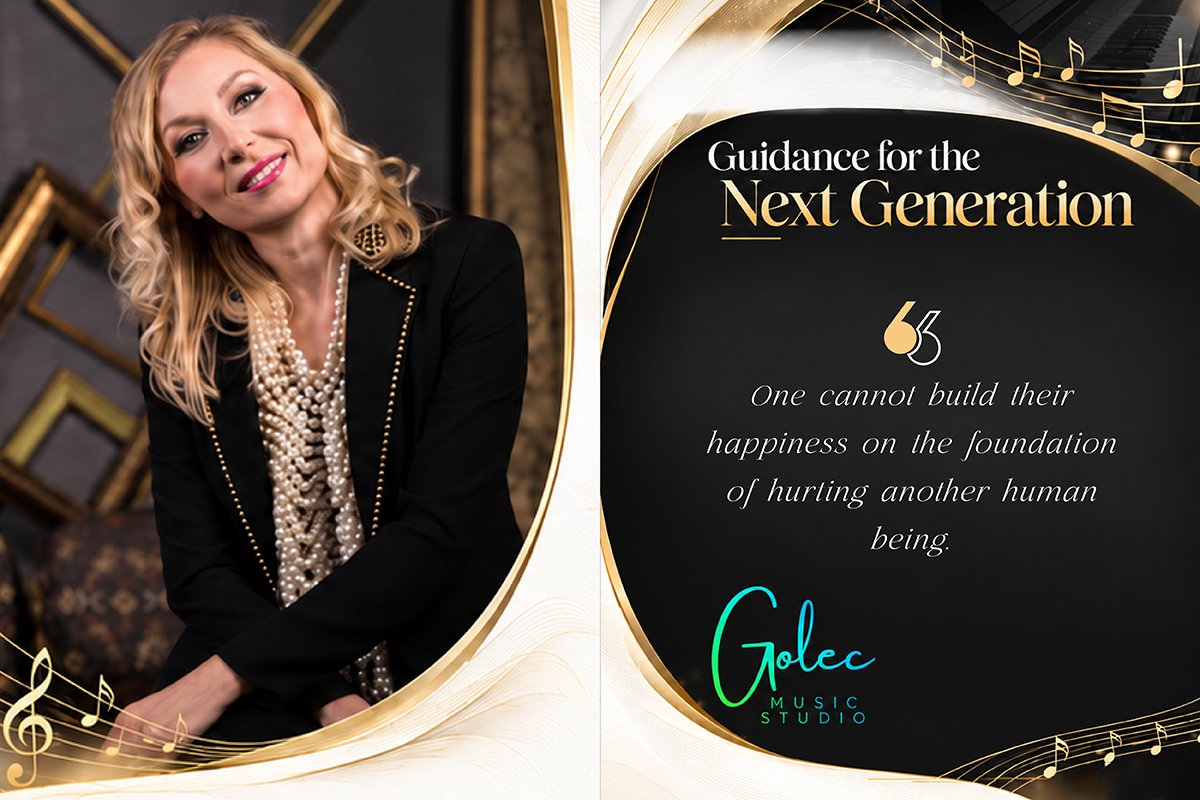
Guidance for the Next Generation
When advising young women who wish to build successful careers in music, she emphasizes the importance of staying true to core values. She warns against trying to fit in or mold into societal expectations. Society often indoctrinates women to strive for perfection across all roles—as a student, employee, wife, and mother—which inevitably leads to anxiety and burnout. She urges emerging leaders to live authentically and figure out who they truly want to be rather than adopting a fake persona. She explicitly advises against the “fake it until you make it” mentality, describing it as exhausting, dishonest, and a fuel for imposter syndrome. Instead, she champions transparency, active learning, and aligning daily actions with personal and business values.
She also highlights the importance of asking questions, identifying it as the ultimate catalyst for learning, critical thinking, and innovation. Asking questions opens lines of communication and demonstrates active listening. Furthermore, she encourages young women to seek out strong mentors and sponsors, specifically by collaborating with experienced women business owners and entrepreneurs.
Personal and professional success acts as an invisible filter for relationships. She observes that when individuals achieve hard-earned goals, true friends offer genuine encouragement and celebrate those accomplishments. In contrast, insecure or fake acquaintances often become passive-aggressive, hostile, and judgmental, offering dismissive comments such as claiming her success was merely luck. She advises protecting one’s mental well-being by eliminating these meaningless, dead-end encounters and investing energy solely in positive, growth-oriented relationships.
Her ultimate life motto is straightforward: “One cannot build their happiness on the foundation of hurting another human being.” She advocates strongly for kindness, noting that it is entirely free and elevates individuals into better citizens and leaders. In her view, offering empathy and kindness to others, regardless of their circumstances, is the defining characteristic of a successful and fulfilling life.





Related Post